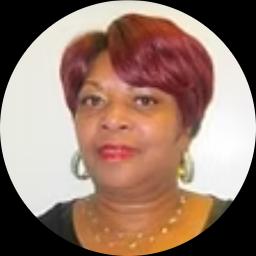
About Loretta
Loretta Young-Wright is a Licensed Clinical Social Worker with 35 years of experience. She has provided mental health services in settings such as child welfare and education. Loretta focuses on practical support for people feeling overwhelmed by stress, anxiety, grief, trauma, parenting challenges, or low self-esteem.
She adapts her work to each person's situation and preferences. Sessions aim to build coping skills and increase self-awareness. Her approach is collaborative and strengths-based, with an emphasis on trauma-informed care.
Background and approach
Loretta uses well-researched methods, including cognitive behavioral strategies, mindfulness practices, and solution-focused techniques. Those tools are applied to everyday problems like sleep disruption, persistent worry, and relationship tension. She keeps language plain and offers concrete steps people can try between sessions.
Her background in child welfare and schools informs how she sees family and parenting stresses. Loretta brings that practical perspective into conversations about boundaries, routines, and self-care. She works to translate clinical ideas into simple actions that fit busy lives.
Online sessions are an established part of her practice. She aims to make virtual work feel as connected as in-person meetings. The focus is on gradual progress, with measurable coping skills and clearer routines so people can feel steadier day to day.
How evidence-based approaches translate to online care
Mindfulness-based techniques are taught as simple practices to reduce stress and increase present-moment awareness. These can help with anxiety, sleep problems, and overwhelming emotions by offering short, repeatable exercises to use during the day.Cognitive behavioral strategies focus on identifying unhelpful thoughts and testing them with real-life experiments. This approach targets worry, low mood, and common negative thinking patterns by breaking problems into manageable steps and small behavioral changes.
Solution-focused work concentrates on strengths and practical goals. It helps people identify what is already working and build brief, realistic plans to improve daily routines or parenting challenges.
Choosing the right approach is a collaborative process. The therapist will talk with each person about goals, preferences, and what feels most useful. Together they adjust methods as progress is tracked and needs change.
Online therapy offers flexibility for busy schedules. Video calls let people see and speak with a licensed professional. Phone sessions work well when bandwidth is limited or a camera is not wanted. Live chat and text messaging are useful for shorter check-ins, quick skill practice, or when logging thoughts between sessions. These formats make it easier to fit help into work, school, or family routines.
Frequently asked questions
What issues does Loretta address in therapy?
What is her therapeutic style like?
How long has she practiced social work?
What credentials and location apply to her practice?
Can sessions be held in other languages or internationally?
Which session formats are available?
How is cost handled for sessions?
How do I begin therapy with her?
Specialties and expertise
Top specialties
Also works with
- Parenting issues
- Self esteem
- Experience
- 35 years
- Licensed
- Illinois
- Languages
- English