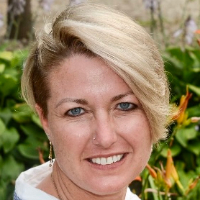
About Loni
Loni Nolte is a Licensed Clinical Social Worker with 14 years of experience helping people face stress, anxiety, grief, and life changes. She uses straightforward conversation and practical strategies to help clients find tools that work for them. Loni meets people where they are and focuses on clear, doable steps rather than jargon.
Loni draws on approaches such as Cognitive Behavioral Therapy and Acceptance and Commitment Therapy to help people change unhelpful thinking and build values-driven living.
Background and approach
She also uses Attachment-Based and Emotionally-Focused ideas when relationships and connection are central concerns. Sessions often include simple skills practice and real-life experiments to try between meetings. Her practice covers a wide range of struggles including parenting challenges, trauma and abuse, addictions, sleep problems, low self-esteem, relationship concerns, and coping with health or caregiving stress.
She also supports people facing adoption and foster care issues, abandonment, blended family concerns, body image, and career transitions. Loni works with people in Illinois and conducts sessions in English. She offers flexible online formats so conversations can fit into busy schedules.
Her approach is collaborative - she listens first, then builds a plan together that matches a person’s goals and lifestyle. Practicality and a personal touch guide her work. She likes to include creative, individualized strategies so therapy feels relevant and doable.
The aim is steady progress and more confidence in managing life’s challenges.
Therapeutic approaches adapted for online care
Acceptance and Commitment Therapy (ACT) focuses on helping people notice unhelpful thoughts and choose actions that match their values. It can be useful for anxiety, depression, and navigating big life changes. Cognitive Behavioral Therapy (CBT) helps identify and shift patterns of thinking and behavior that keep problems going, and it often includes practical homework and skills practice between sessions. Emotionally-Focused Therapy (EFT) supports people who want to improve how they connect and communicate in close relationships by helping them understand emotions and respond differently. Finding the right approach is part of the work. The therapist will listen to your situation, goals, and preferences, then suggest methods that fit. That process is collaborative and can change over time if your needs shift. Online formats make it easier to keep therapy consistent. Video calls allow for face-to-face conversation and visual cues, phone sessions work well when video is not possible, live chat is useful for brief check-ins, and text-based messaging supports ongoing processing and quick touchpoints. These options let people fit sessions around work, caregiving, or other commitments and try different formats to see what helps most.Frequently asked questions
What kinds of concerns can this therapist help with?
What is the therapist's general style and approach?
How much clinical experience does she have?
Where is the therapist licensed and located?
Which languages are supported for sessions?
What session formats are offered?
How does payment and cost work?
What are the first steps to begin therapy?
Specialties and expertise
Top specialties
- Stress, Anxiety
- Family conflicts
- Trauma and abuse
Also works with
- Abandonment
- Addictions
- Adoption and foster care
- Aging and geriatric issues
- Anger management
- Attachment issues
- Bipolar disorder
- Blended family issues
- Body image
- Cancer
- Career difficulties
- Caregiver issues and stress
- Commitment issues
- Communication problems
- Compassion fatigue
- Control issues
- Coping with life changes
- Coping with natural or human-caused disaster
- Depression
- Grief
- LGBT
- Parenting issues
- Relationship issues
- Self esteem
- Sleeping disorders
Therapeutic approaches
- Experience
- 14 years
- Licensed
- Illinois
- Languages
- English