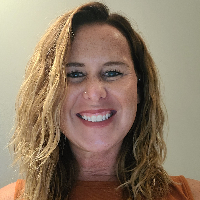
About Lauren
Lauren Oestmann is a licensed clinical social worker in Illinois with 15 years of experience. She meets people where they are and helps them take practical steps forward. Lauren aims to make the first steps feel manageable for someone who is worried or overwhelmed.
Her background includes work in residential substance-abuse settings, adoption preservation, corrections, and independent practice. That range has given her experience with stress, anxiety, addictions, trauma and abuse, and mood concerns such as depression and bipolar disorder.
Background and approach
She also supports people facing relationship and family strain, parenting challenges, grief, and work-related stress. Lauren uses straightforward methods that focus on skills and small changes. She draws on Cognitive Behavioral Therapy to help people notice how thoughts affect mood and behavior.
She also uses Dialectical Behavior Therapy skills for emotion regulation and Motivational Interviewing to build readiness for change. Sessions are practical and goal-directed. Conversations often include concrete coping tools, short skill practice, and steps to try between meetings.
Lauren encourages people to bring real-life problems to each session so work can be applied right away. Her approach is warm and direct. She values collaboration and helps people set clear, achievable goals.
People who want hands-on strategies and a steady, solution-focused guide may find her style helpful.
Therapeutic approaches adapted for online care
Lauren commonly uses Cognitive Behavioral Therapy and Dialectical Behavior Therapy in online sessions. Cognitive Behavioral Therapy focuses on identifying thoughts that affect mood and behavior, then practicing different thinking and coping patterns to change outcomes. It is useful for anxiety, depression, sleep problems, and stress. Dialectical Behavior Therapy teaches concrete skills for managing strong emotions, improving relationships, and tolerating distress; these skills can help with anger, mood swings, and self-soothing after difficult events.Finding the right approach is a collaborative process. The therapist will work with each person to choose methods that match their goals, needs, and preferences. Over the first few sessions they will try techniques, check what works, and adjust the plan together.
Online therapy offers several practical benefits. Video calls allow face-to-face conversation and skill coaching. Phone sessions can be a simpler way to check in when video isn’t convenient. Live chat and text-based messaging make it easier to send short updates, get quick support between sessions, and fit brief check-ins into a busy day. These flexible options help people keep therapy consistent while balancing work, family, and daily life.
Frequently asked questions
What concerns does she address?
What is her therapy style like?
How much clinical experience does she have?
What credentials and location are listed?
Which languages and international options are available?
What session formats does she offer?
How does payment and cost work?
How do I begin therapy with her?
Specialties and expertise
Top specialties
Also works with
- ADHD
- Anger management
- Bipolar disorder
- Career difficulties
- Compassion fatigue
- Coping with life changes
- Depression
- Family conflicts
- Grief
- Intimacy-related issues
- Parenting issues
- Relationship issues
- Self esteem
- Sleeping disorders
Therapeutic approaches
- Experience
- 15 years
- Licensed
- Illinois
- Languages
- English