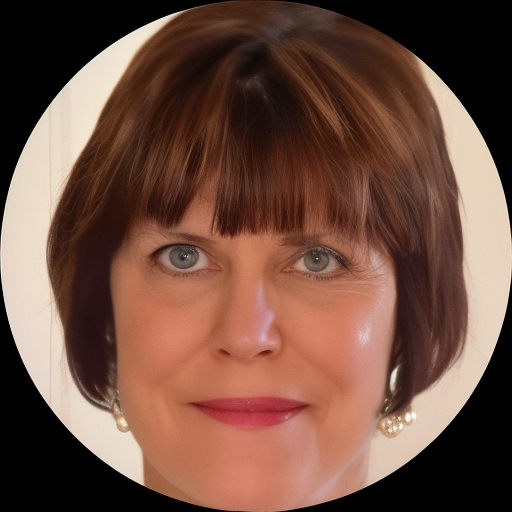
About Laura
Laura Smith is a licensed clinical social worker with 32 years of experience helping people through hard times. She is based in Connecticut and focuses on depression, anxiety, stress, relationship struggles, trauma and abuse, and coaching. Laura aims to make therapy practical and grounded so people can find clearer next steps.
She often works with women’s issues and attachment concerns, and supports people coping with mood disorders and post-traumatic stress.
Background and approach
She also helps those carrying guilt, shame, or who want to rebuild self-love and a sense of life purpose. Sessions can include conversations about workplace challenges, chronic illness or pain, and communication problems. Her practice uses evidence-based therapeutic techniques.
In sessions she listens closely, asks straightforward questions, and helps people practice new ways of thinking and acting. The tone is calm and direct, focused on real changes in daily life rather than abstract ideas. Laura practices within a secular, non-religious framework and respects each person’s values.
She aims to create a respectful, steady space for people to talk through painful memories and current stresses. Progress is shaped around the client’s pace and goals. People who want clear guidance and practical tools tend to do well with her style.
The first steps are a brief matching questionnaire and scheduling a time to talk. Work is collaborative, and she focuses on achievable goals tailored to each person’s situation.
Approaches that guide online sessions
Laura uses evidence-based therapeutic techniques delivered in ways that fit daily life. One common approach is cognitive-based work that helps people notice unhelpful thoughts and try different ways of thinking, which can ease anxiety and depression. Another focus is trauma-informed care that helps people process painful memories and learn coping skills to manage symptoms and reactions. These methods are practical and aimed at skills people can use between sessions.Finding the right approach is part of the work together. The therapist will talk with each person about symptoms, goals, and what feels most useful, then try approaches that match those needs. Clients and the therapist check in regularly and adjust methods as progress and preferences become clearer.
Online formats include video calls, phone sessions, live chat, and text-based messaging. Video is useful for a fuller conversation and nonverbal cues, while phone calls need less bandwidth and can fit a break at work. Live chat or text messaging can be good for short check-ins, brief coaching, or when someone prefers not to be on camera. These options make therapy more flexible and easier to fit into a busy life.
Frequently asked questions
What concerns does Laura commonly address?
What is her therapeutic style like?
How much experience does she have?
What credentials and location are listed?
Which languages are sessions offered in?
What session formats are available?
How does payment and cost work?
How do I begin working with her?
Specialties and expertise
Top specialties
- Stress, Anxiety
- Relationship issues
- Trauma and abuse
Also works with
- Experience
- 32 years
- Licensed
- Connecticut
- Languages
- English