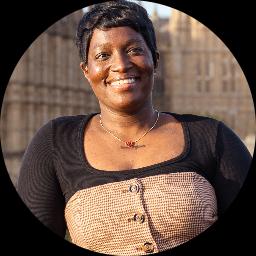
About LaToya
LaToya Stevenson, LCSW, centers her work on building genuine connection. She aims to help people feel seen, heard, and valued so they can face stress, anxiety, grief, relationship strain, and major life changes. Her tone is direct and practical, with an emphasis on steady support during hard moments.
She brings 11 years of experience in community mental health and emergency mental health care. That background means she is used to helping people through crises and sudden changes in life.
Background and approach
LaToya has a Bachelor and a Master of Social Work and a Master of Legal Studies, and she holds the Florida LCSW licence FL LCSW SW18275. Her approach combines several evidence-based styles, including Acceptance and Commitment Therapy, Cognitive Behavioral Therapy, and Dialectical Behavior Therapy.
Sessions focus on skills people can use between meetings, such as new ways to face strong emotions and practical steps to change unhelpful patterns. LaToya also draws on attachment-informed ideas to look at how early connections shape present relationships. She supports people working through trauma, addiction, parenting stresses, and identity issues related to LGBT concerns.
The work is collaborative and paced to each persons needs. People should expect a warm, direct style that balances compassion with clear tools. LaToya offers video, phone, chat, and text-based sessions to fit different schedules and preferences.
Therapeutic approaches adapted for online care
LaToya often uses Acceptance and Commitment Therapy to help people notice difficult thoughts and feelings without getting stuck in them. ACT focuses on values-guided action and practical exercises that fit well into remote formats like phone or video work.She also uses Cognitive Behavioral Therapy to identify unhelpful thinking patterns and to build concrete skills. CBT sessions commonly include short between-session tasks that translate easily to text-based check-ins or live chat. Attachment-informed ideas are used to look at how early relational patterns affect current relationships and coping, which can be discussed in depth over video calls.
Finding the right approach is a collaborative process. The therapist will talk with each person about goals, habits, and daily routines to decide which methods suit them best. They adapt tools and homework to match the clients pace and preferences, so therapy fits into real life.
Online options include video calls, phone sessions, live chat, and text-based messaging. Video is useful for deeper conversation and nonverbal cues. Phone sessions can be a good option when bandwidth is limited or for shorter check-ins. Chat and text messaging work well for brief updates, tracking progress, or practicing skills between meetings. These formats make it easier to fit consistent work into busy schedules and varied lifestyles.
Frequently asked questions
What problems does this therapist commonly address?
What kind of therapy style can I expect?
How long has she practiced?
What are her credentials and where is she located?
Can I work with her if I live outside the United States?
Which session formats are available?
How is cost handled for sessions?
What do I do to get started?
Specialties and expertise
Top specialties
- Stress, Anxiety
- Family conflicts
- Trauma and abuse
Also works with
- Addictions
- ADHD
- Anger management
- Bipolar disorder
- Coping with life changes
- Depression
- Eating disorders
- Grief
- LGBT
- Parenting issues
- Relationship issues
- Self esteem
Therapeutic approaches
- Experience
- 11 years
- Licensed
- Florida
- Languages
- English