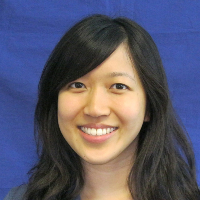
About Ying
Ying Kam is a licensed clinical social worker with twelve years of experience helping people navigate hard moments. She works in California and speaks English, Mandarin, and Cantonese. Her approach is practical and straightforward.
She has supported people facing depression, bipolar disorder, anxiety, addiction, and trauma and abuse. She also helps with relationship strain, parenting stress, grief, self-esteem, anger, sleep and eating difficulties, and career concerns. Her background includes work in outpatient clinics, hospitals, community programs, in-home visits, and schools.
Background and approach
In sessions she focuses on clear goals and concrete steps. Clients talk about what is getting in the way, then practice new ways of thinking and acting. She uses techniques like motivational interviewing and solution-focused work to help people resolve mixed feelings and move toward change.
Ying also draws on cognitive-behavioral and dialectical approaches when they fit a person’s goals. That can mean learning skills to manage strong emotions or testing out small behavior changes between meetings. She pairs support with direction so people leave sessions with next steps.
Her style is collaborative and steady. She listens, asks practical questions, and suggests tools clients can try between appointments. People looking for a therapist who offers clear guidance and options in English, Mandarin, or Cantonese may find her helpful.
Therapeutic approaches and online care
Ying uses evidence-based techniques that focus on clear changes people can try between sessions. One approach she often uses is cognitive-behavioral work, which helps identify unhelpful thoughts and test small behavior changes to improve mood and daily functioning. Another common method is motivational interviewing, which helps people resolve mixed feelings and build motivation for change by exploring personal values and goals.Finding the right approach is collaborative. She will work with each person to pick methods that fit their goals, needs, and preferences. Together they test what helps and adjust the plan as progress and challenges arise.
Online therapy allows for flexible care through video calls, phone sessions, live chat, or text-based messaging. Video is useful for longer talks and skill teaching. Phone sessions can be easier if bandwidth is limited or a shorter check-in is preferred. Live chat and messaging let people share updates between sessions or check in during busy days. These options help people fit therapy into work, family life, or across time zones.
Frequently asked questions
What concerns does this therapist address?
What is her therapeutic style like?
How much experience does she have?
What credentials and location are listed?
Which languages are supported for sessions?
What session formats are available?
How does pricing work?
How do I begin working with her?
Specialties and expertise
Top specialties
- Addictions
- Grief
- Parenting issues
Also works with
- Anger management
- Bipolar disorder
- Career difficulties
- Depression
- Eating disorders
- Family conflicts
- Intimacy-related issues
- Relationship issues
- Self esteem
- Sleeping disorders
- Stress, Anxiety
- Trauma and abuse
- Experience
- 12 years
- Licensed
- California
- Languages
- English, Mandarin, Cantonese