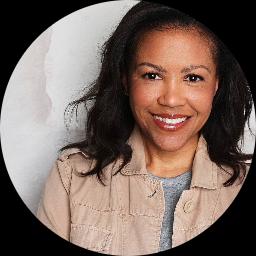
About Kesha
Kesha Diodato is a licensed clinical social worker who focuses on helping adults manage stress, anxiety, depression, grief, trauma, and major life changes. She brings twenty years of experience and a steady, practical approach to sessions. People meet her for help after deployment, abuse, or other traumatic events, and for support through transitions and loss.
She uses straightforward, evidence-based methods that target unhelpful thoughts and patterns. Cognitive Behavioral Therapy techniques help clients spot and change the thinking that fuels anxiety and low mood.
Background and approach
Skills from Dialectical Behavior Therapy support emotion regulation, distress tolerance, and clearer communication. Kesha has worked with civilians, active-duty service members, and Veterans in outpatient and residential settings, and she has provided care remotely. Her background spans community and clinical environments across Hawaii.
She describes her work as collaborative and practical, aiming to meet people where they are. Sessions focus on concrete tools and small changes that add up over time. Clients can expect to practice skills between meetings and to set short-term goals that feel doable.
Progress is tracked in simple steps rather than abstract measures. She encourages anyone feeling overwhelmed by loss, anxiety, or life change to consider reaching out. The first conversations are used to figure out goals and decide which techniques will be most helpful.
How evidence-based approaches work online
Kesha uses Cognitive Behavioral Therapy and Trauma-Focused Therapy to guide online work. CBT helps people name thought patterns that worsen anxiety or low mood and then try small experiments to change those patterns. Trauma-Focused Therapy focuses on understanding and processing traumatic memories and their effects so everyday life feels less overwhelming.Choosing the best approach is a collaborative process. The therapist and client talk about goals, symptoms, and what feels most manageable. Together they decide whether CBT, Trauma-Focused methods, DBT skills, or a mix will fit the person’s needs and preferences.
Online formats - video calls, phone sessions, live chat, and text messaging - make it easier to fit therapy into a busy life. Video is useful for deeper work when face-to-face connection helps. Phone sessions can be a good option when bandwidth is limited or a quieter check-in is needed. Live chat and text messaging work well for brief coaching, skill practice between sessions, and quick check-ins. These choices let people continue steady work even when travel or schedules make in-person visits difficult.
Frequently asked questions
What concerns does she help with?
What is her therapy style like?
How much clinical experience does she have?
Where is she licensed and based?
Which languages are sessions offered in?
What session formats are available?
How does payment and cost work?
How do I begin working with her?
Specialties and expertise
Top specialties
Therapeutic approaches
- Experience
- 20 years
- Licensed
- Hawaii
- Languages
- English