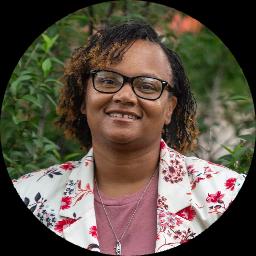
About Kenyetta
Kenyetta Cooper is a licensed social worker who helps people manage stress, anxiety, addictions, grief, depression, and life changes. She offers steady support and practical steps for people ready to make small changes that matter. Her approach is calm and straightforward so clients can focus on what feels most urgent.
Kenyetta holds LICSW, LCSW, and CSW credentials and practices in North Carolina. She brings five years of experience to sessions and uses clear methods to help people cope with hard moments.
Background and approach
Conversation is direct but warm, with room for real concerns and everyday struggles. In sessions she listens first to understand what matters most. Then she and the client set simple goals and try out ways to change patterns that cause distress.
That might mean tracking thoughts, testing a new behavior, or practicing skills to sit with strong feelings. She uses tools drawn from client-centered therapy, cognitive behavioral therapy, dialectical behavior therapy, mindfulness, and motivational interviewing. These approaches are used in practical ways - for example learning pacing strategies for stress or steps to reduce substance-related urges.
People who work with her often focus on improving daily routines, reducing crisis moments, and building self-compassion. She supports caregivers, people in blended family situations, first responders and veterans, and those coping with obsessions or codependency. The work aims to create clearer choices and steadier days.
How therapeutic approaches translate to online care
Kenyetta uses cognitive behavioral therapy and dialectical behavior therapy in ways that fit online sessions. CBT focuses on identifying unhelpful thoughts and testing new behaviors to reduce anxiety and low mood. In video or phone sessions this can include homework, thought records, and step-by-step behavioral experiments. DBT teaches skills for managing intense emotions and improving distress tolerance, often through skills coaching and role practice that translate well to live chat or video practice. Finding the right mix of approaches is a collaborative process. The therapist will ask about goals, daily routines, and what has or hasn’t worked before. Together they decide which methods to try and adjust them as progress is made. Online formats offer practical flexibility. Video calls let people use visual cues for skill practice and coaching. Phone sessions work when bandwidth is limited or when a shorter check-in fits a busy day. Live chat and text-based messaging are useful for brief coaching, skill reminders, or ongoing support between longer sessions. These options make it easier to fit therapy into work, caregiving, or other responsibilities.Frequently asked questions
What concerns does Kenyetta address?
What is her therapeutic style like?
How much clinical experience does she have?
What credentials and location are listed?
Which languages are offered for sessions?
What session formats are available?
How is cost handled for therapy?
How do I begin working with this therapist?
Specialties and expertise
Top specialties
Also works with
Therapeutic approaches
- Experience
- 5 years
- Licensed
- North Carolina, Colorado, New Jersey, Massachusetts, South Carolina, California
- Languages
- English