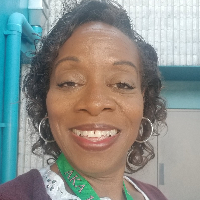
About Joy
Dr. Joy Davis is a licensed clinical social worker with two decades of counseling experience. She holds a Doctorate in Leadership and brings practical coaching and career guidance alongside mental health support.
She is licensed in Florida as LCSW and also holds a CSW credential in Georgia. Her path includes work in schools, community mental health agencies, and independent practice. That range has given her experience with people facing grief, anxiety, depression, life transitions, and workplace issues.
Background and approach
She also focuses on women's concerns, young adult questions, and challenges around parenting, relationships, and intimacy. Joy aims for a warm and down-to-earth stance in sessions. She listens carefully and helps clients set clear boundaries and realistic goals.
She also names obstacles and offers practical steps to move forward. Her clinical toolbox includes cognitive behavioral ideas to shift unhelpful thoughts, mindfulness to reduce stress, EMDR for trauma-related memories, dialectical skills for emotion regulation, and motivational strategies to support change. She mixes these approaches with coaching techniques from her leadership training when people want career or purpose work.
She has additional training in loss and healing and has volunteered with hospice programs. That background informs work with bereavement and other kinds of personal loss beyond death, such as job loss or relationship endings. Joy is based in Florida and offers services in English.
She draws on practical steps and steady support to help people get unstuck and move toward more satisfying daily life.
Practical therapy approaches for online care
Dr. Davis uses cognitive behavioral ideas to help people notice and change unhelpful thinking patterns. CBT can help with anxiety, depression, and daily habits that interfere with goals.She also draws on dialectical behavior therapy skills to teach emotional regulation and better coping in the moment. DBT tools can be useful for managing strong emotions and improving communication. When trauma memories are a focus, she may use eye movement desensitization and reprocessing to help reduce the intensity of disturbing memories and reactions.
Finding the right approach is part of the work together. The therapist and client talk about goals, try methods that match needs, and adjust plans as progress unfolds. This collaborative process helps pick the strategies that feel most useful for each person.
Online formats include video calls, phone sessions, live chat, and text-based messaging to make therapy fit daily life. Video allows face-to-face conversation; phone calls use less bandwidth and can suit brief check-ins. Live chat and text are helpful for short updates, scheduling, or ongoing support between longer sessions. These options aim to offer flexibility so people can work on goals without rearranging their whole day.
Frequently asked questions
What concerns does this therapist address?
What is the therapist's general approach in sessions?
How much clinical experience does she have?
What credentials and where is she licensed?
In which languages are sessions offered?
What session formats are available?
How is payment and cost handled?
How do I begin working with this therapist?
Specialties and expertise
Top specialties
Also works with
- Anger management
- Career difficulties
- Coaching
- Compassion fatigue
- Coping with life changes
- Depression
- Family conflicts
- Hospice and end-of-life counseling
- Intimacy-related issues
- Life purpose
- Midlife crisis
- Multicultural concerns
- Parenting issues
- Relationship issues
- Women's issues
- Workplace issues
- Young adult issues
Therapeutic approaches
- Experience
- 20 years
- Licensed
- Florida, Georgia
- Languages
- English