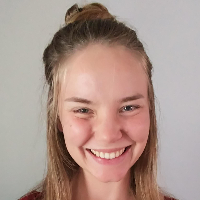
About Jennifer
Jennifer Robart is a licensed clinical social worker who focuses on helping people cope, recover, and move forward. She uses straightforward, compassionate care to help clients set goals and take practical steps toward them. Jennifer keeps sessions conversational and centered on each person’s needs.
Her background includes several years working with people facing drug and alcohol addiction from 2018 to 2021. That work gave her direct experience with related challenges such as trauma and abuse, grief and loss, depression, anxiety, and anger.
Background and approach
She also supports people dealing with major life changes and compassion fatigue. Sessions are guided by the client’s priorities. Jennifer describes her style as warm and client directed, so conversations tend to feel like problem-solving rather than lectures.
She helps people recognize their strengths and use those strengths to make different choices. Practical tools and clear steps are part of how she works. Jennifer draws on approaches that encourage motivation and reshape unhelpful thinking patterns.
She helps clients translate insight into everyday habits that reduce stress and improve relationships. Jennifer holds a Licensed Clinical Social Worker credential. She practices in Illinois and conducts sessions in English.
With six years of clinical experience, she aims to help people regain balance and move toward goals at a pace that feels manageable.
How CBT and Motivational Interviewing Work Online
CBT, or Cognitive Behavioral Therapy, helps people identify unhelpful thoughts and test them against real life. It breaks problems into small steps and teaches practical skills to reduce anxiety, manage mood, and change repetitive patterns. Motivational Interviewing focuses on a person’s own reasons for change. It uses open questions and reflective listening to build motivation, especially for issues like substance use or making lifestyle shifts. Finding the right approach is part of the work together. The therapist will talk with each person about goals and preferences and then pick methods that fit. That choice is revisited as progress is made so therapy stays useful and relevant. Online formats make it easier to fit sessions into busy lives. Video calls let people use visual cues for deeper conversation. Phone sessions work well when bandwidth or camera use is difficult. Live chat and text-based messaging allow quick check-ins, written reflections, and flexible communication between scheduled sessions. Together, these approaches and formats offer practical ways to learn skills, stay motivated, and keep therapy consistent even with a packed schedule.Frequently asked questions
What concerns does this therapist address?
What is the general therapeutic style here?
What kind of experience does the therapist have?
What credentials and location are on record?
Are sessions offered in other languages or internationally?
Which session formats are available?
How is cost handled for therapy?
How do I begin working with this therapist?
Specialties and expertise
Top specialties
Also works with
- Anger management
- Bipolar disorder
- Compassion fatigue
- Coping with life changes
- Depression
- Family conflicts
- Intimacy-related issues
- Relationship issues
- Self esteem
- Trauma and abuse
Therapeutic approaches
- Experience
- 6 years
- Licensed
- Missouri, Illinois
- Languages
- English