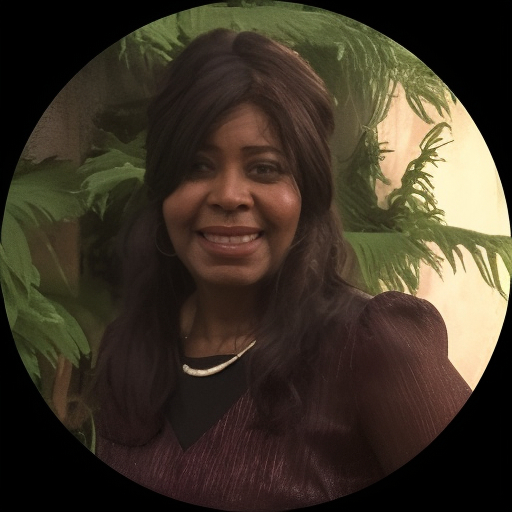
About Jennifer
Jennifer Long is a licensed clinical social worker with 26 years of experience helping people manage stress, anxiety, low self-esteem, depression, compassion fatigue, and life transitions. She focuses on practical steps that make everyday life feel more manageable. Her tone is straightforward and calm to help people feel understood quickly.
Jennifer uses evidence-based techniques to help clients spot unhelpful thought patterns and build stronger coping skills. Sessions emphasize small, realistic changes that fit into busy lives.
Background and approach
She also supports work on communication problems, control issues, forgiveness, and finding life purpose. When mood shifts are tied to the seasons, she addresses Seasonal Affective Disorder with tailored strategies for activity, routine, and mood monitoring. Young adult issues and self-love work are handled with short-term, goal-focused plans.
The aim is steady progress rather than quick fixes. Jennifer welcomes people who want their faith incorporated into sessions; she can include the Bible and prayer when that matches a person’s values. She balances that openness with practical tools for everyday challenges.
Based in New Jersey, she holds a Licensed Clinical Social Worker credential. Sessions are available through video calls, phone sessions, live chat, or text-based messaging. Getting started involves a short matching questionnaire and scheduling based on therapist availability.
Therapeutic approaches and online care that fit your life
Jennifer draws on evidence-based techniques that are easy to understand and use. Cognitive approaches help people notice and change unhelpful thoughts that feed anxiety and low mood, with simple exercises to practice between sessions. Strengths-focused work centers on identifying existing abilities and resources, then applying them to solve current problems like communication breakdowns or control issues.Choosing the right approach is a collaborative process. The therapist will talk with each person about goals, preferences, and what has or hasn't helped before. Together they decide which techniques to try and adjust the plan as progress is made.
Online formats offer practical benefits for busy lives. Video calls let people maintain face-to-face connection when that feels most helpful. Phone sessions work well when bandwidth is limited or video is not convenient. Live chat and text-based messaging are useful for brief check-ins, noting progress, or getting support between full sessions. These options provide flexibility to fit therapy into work, school, or caregiving schedules without long commutes.
Frequently asked questions
What concerns does she address?
What is her therapeutic style like?
How much experience does she have?
What are her credentials and where is she located?
Which languages are supported?
What session formats are available?
How is cost handled?
How do I begin working with her?
Specialties and expertise
Top specialties
Also works with
- Experience
- 26 years
- Licensed
- New Jersey, Pennsylvania
- Languages
- English