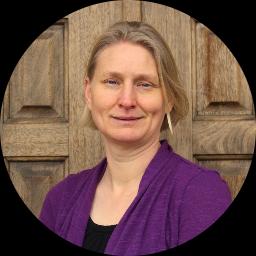
About Jeanie
Jeanie Shade offers calm, practical care for people dealing with stress, anxiety, depression, parenting strain, trauma, anger, bipolar symptoms, and relationship concerns. She introduces tools you can use right away and listens so you feel heard. Jeanie presents clear steps and skills rather than long lectures.
She aims to help people get unstuck and manage day-to-day life more easily. Jeanie is a licensed clinical social worker - LCSW - with eight years of licensed experience and additional years in related roles.
Background and approach
Much of her background is in hospital settings, where she supported adults and adolescents facing severe mental health challenges. That time shaped her belief that telling your story and being heard can start real change. She runs community groups that teach mental health skills and provides chances to practice new habits in a low-pressure setting.
Teaching straightforward skills is something she enjoys, whether the need is for grounding in a crisis or building long-term coping strategies. In sessions she focuses on listening closely, identifying what a person wants to change, and then teaching skills to meet those goals. She mixes practical behavior strategies with attention to emotions and personal beliefs that shape life choices.
This combination aims to help people move from surviving to thriving. Jeanie works with clients in Arkansas and communicates in English. Her approach is collaborative and skill-based, with an emphasis on small, manageable steps toward improved daily functioning.
Approaches that guide online sessions
Client-centered therapy focuses on listening. The therapist gives space for a person to tell their story and reflects what she hears. This approach helps people feel understood and figure out what they want to change.Cognitive Behavioral Therapy, or CBT, looks at how thoughts, feelings, and behaviors connect. It uses practical exercises and small behavior changes to reduce anxiety, depression, and stress. CBT is useful when someone wants clear strategies to manage symptoms and daily routines.
Finding the right approach is usually a shared process. The therapist will talk with the client about needs, goals, and preferences, then try techniques that fit. Sessions can alternate between skills practice and deeper conversation based on what helps most.
Online therapy offers a range of ways to connect: video calls for face-to-face conversation, phone sessions for times when video is not practical, and live chat or text-based messaging for brief check-ins and skill practice. These options make it easier to fit sessions around work, school, or family life and let clients use the format that feels most convenient for them.
Frequently asked questions
What kinds of concerns does she address?
What is her therapy style like?
How much clinical experience does she have?
What credentials and location are listed?
Can sessions be held in languages other than English?
What session formats are available?
How are costs handled for therapy?
How do I begin working with her?
Specialties and expertise
Top specialties
- Stress, Anxiety
- Relationship issues
- Self esteem
Also works with
- Anger management
- Bipolar disorder
- Coping with life changes
- Depression
- Family conflicts
- Parenting issues
- Trauma and abuse
Therapeutic approaches
- Experience
- 8 years
- Licensed
- Idaho, Montana, Arkansas
- Languages
- English