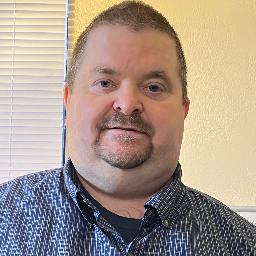
About James
James Gilligan is a licensed clinical social worker (LCSW) in Florida who helps people manage stress, anxiety, addiction, grief, and depression. He also addresses relationship and intimacy-related issues, parenting concerns, sleep and eating difficulties, and career or life changes. With a plain, practical style, he focuses on what clients want to change and how to get there.
Gilligan earned a Master of Social Work from Florida International University in 1998 and became licensed in Florida in 2000.
Background and approach
He spent early years working in Miami-Dade schools providing individual and group support. That background gave him experience helping young people and their caregivers navigate everyday struggles. Over two decades he has worked with people facing severe mental illness, including bipolar disorder and major depression, and with individuals managing addiction and eating disorders.
Since 2007 he has worked with active duty military members, focusing on anxiety, PTSD, marital problems, and domestic violence concerns among service members. His approach mixes several methods such as cognitive behavioral techniques, dialectical behavior skills, attachment-based work, and EMDR when appropriate.
He draws from these tools to help clients reduce distress, build coping skills, and change patterns that no longer serve them. Sessions are intended to be collaborative and goal-focused. Gilligan emphasizes clear steps and practical strategies so people can try changes between sessions.
He aims to help clients make steady, manageable progress toward their goals.
Approach-driven online care for stress and trauma
Attachment-based work focuses on how early relationships shape current patterns. It helps people understand connection, repair ruptures, and build safer ways of relating to others. Cognitive behavioral therapy, or CBT, looks at thoughts and behaviors that keep problems going. It teaches practical skills to change unhelpful thinking and reduce anxiety or depression.Choosing the right approach is part of the work. The therapist will talk with clients about goals, preferences, and what has or hasn't helped before. Together they pick methods to try and adjust the plan as progress is made, keeping sessions collaborative and goal-focused.
Online formats include video calls, phone sessions, live chat, and text messaging to fit different needs. Video sessions allow face-to-face conversation and visual cues. Phone sessions work when bandwidth is limited or a shorter check-in is needed. Live chat and text messaging can suit quick check-ins, daily coaching, or people who prefer writing. These options make it easier to schedule therapy around work, family, and other commitments.
Frequently asked questions
What concerns does this therapist address?
What is the therapist's style in sessions?
How much clinical experience does the therapist have?
What are the therapist's credentials and location?
In which language are sessions offered?
What session formats are available?
How is cost handled for sessions?
How do I begin working with this therapist?
Specialties and expertise
Top specialties
Also works with
- Abandonment
- Anger management
- Attachment issues
- Bipolar disorder
- Career difficulties
- Coaching
- Codependency
- Communication problems
- Compassion fatigue
- Coping with life changes
- Depression
- Eating disorders
- Family conflicts
- Grief
- Intimacy-related issues
- Parenting issues
- Relationship issues
- Self esteem
- Sleeping disorders
- Veteran and Armed Forces Issues
Therapeutic approaches
- Experience
- 20 years
- Licensed
- Florida
- Languages
- English