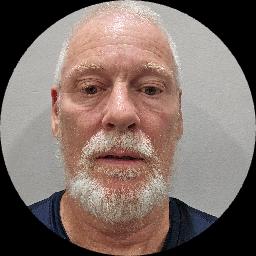
About Harold
Harold Kellogg is a licensed social worker in North Carolina who helps people facing stress, anxiety, addiction, family conflict, depression, and life transitions. He frames therapy as a collaboration and starts by listening to each person’s story and strengths. Harold aims to make the first steps feel manageable and respectful of the client’s pace.
Harold brings 26 years of professional experience to his work. He uses straightforward methods to help people change unhelpful thinking and habits.
Background and approach
Sessions focus on what is practical and useful for daily life, with clear ideas to try between meetings. Clients can expect a calm, direct style that emphasizes skill-building. Harold encourages small experiments and concrete action, rather than long explanations.
He believes steady progress comes from trying things and adjusting as needed. Before his current work he served in the US Navy, retiring after a combined active and reserve career. That background shaped his interest in helping people handle major life changes and reconcile difficult past events.
His practice includes experience in inpatient and outpatient settings. Harold holds a Licensed Clinical Social Worker credential, listed as LCSW, and has worked across a range of care settings over his career. He offers a practical, experience-based approach that aims to help people regain control, reduce distress, and move forward with clearer choices.
How CBT and Online Sessions Work Together
Harold uses Cognitive Behavioral Therapy, which focuses on identifying unhelpful thoughts and testing new ways of thinking and acting. CBT gives step-by-step tools for managing anxiety, depression, and stress by changing patterns that keep problems going.Therapy begins with a conversation about your goals and preferences. Finding the right approach is a team effort - the therapist and client choose methods that fit the person's needs and daily life. Harold will adjust techniques based on what helps most over time.
Online sessions are offered as video calls, phone sessions, live chat, or text-based messaging to make therapy easier to fit into busy lives. Video is good for full conversations and visual cues. Phone calls can work when bandwidth is low or a client prefers voice only. Live chat and text are useful for short check-ins, ongoing support, or when typing feels easier than talking.
These remote formats make it possible to keep steady momentum between appointments and to practice new skills in real time. The combination of CBT tools and flexible session types helps people try small changes and adjust as they move forward.
Frequently asked questions
What issues does Harold commonly address in sessions?
What style of therapy should I expect?
How much experience does this therapist have?
What are the credential and location details?
Which languages are available for sessions?
What session formats are offered?
How are costs and payments handled?
How do I begin working with this therapist?
Specialties and expertise
Top specialties
- Stress, Anxiety
- Addictions
- Family conflicts
Also works with
Therapeutic approaches
- Experience
- 26 years
- Licensed
- North Carolina
- Languages
- English