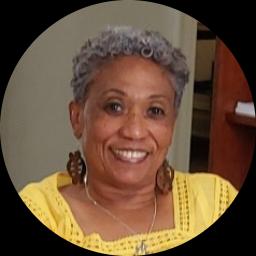
About Gwendolyn
Gwendolyn Thornton brings three decades of social work experience to her practice in Virginia. She is a Licensed Clinical Social Worker (LCSW) who focuses on everyday struggles like stress, anxiety, low self-esteem and depression. She offers straightforward support and practical steps for people trying to make change in their lives.
Her style is warm and respectful. She listens first and adapts sessions to each person’s needs. Conversations aim to clarify what matters most and find realistic steps forward.
Background and approach
Gwendolyn frames therapy as a collaborative effort rather than a lecture. Over many years she has helped people facing life changes such as divorce and midlife transitions. She also works on issues tied to abandonment, adoption and foster care, and healing after trauma.
Communication problems and finding a renewed sense of purpose are frequent topics in her work. Gwendolyn draws on practical methods that people can use between sessions. She uses cognitive behavioral ideas to spot unhelpful thinking and Client-Centered techniques to make space for people’s own goals.
Mindfulness practices are offered as simple ways to manage stress and stay present. Sessions focus on clear goals and doable strategies. She also offers coaching-style support for motivation and life direction.
The aim is steady, manageable progress rather than quick fixes.
How her approaches translate to online work
Client-Centered Therapy focuses on creating an accepting, non-judgmental space where the person sets the pace. In online sessions this means the therapist listens closely and follows the client's priorities, helping them identify goals and next steps.Cognitive Behavioral Therapy, or CBT, examines unhelpful thoughts and patterns and replaces them with practical skills. Online CBT often uses short exercises and thought records between sessions to build new habits and reduce anxiety or low mood.
Mindfulness Therapy teaches brief attention and breathing practices to manage stress and stay grounded. These techniques can be practiced during a video call or reinforced through short audio or text reminders between meetings.
Choosing the right approach is part of the work together. The therapist will discuss options and help pick methods that match the client's needs, goals, and comfort level. This is a collaborative process and may shift as progress is made.
Online formats offer flexible ways to connect. Video calls are useful for face-to-face conversations and demonstrations of techniques. Phone sessions work well when bandwidth or camera use is an issue. Live chat and text messaging provide quick check-ins, brief coaching, or support between longer sessions. These options make it easier to fit therapy into a busy schedule.
Frequently asked questions
What kinds of concerns does she help with?
How would you describe her approach in sessions?
What is her professional background?
Where is she licensed and based?
Which languages are used in therapy sessions?
What session formats are available?
How are fees and payment handled?
What do I need to do to begin?
Specialties and expertise
Top specialties
Also works with
Therapeutic approaches
- Experience
- 30 years
- Licensed
- Virginia
- Languages
- English