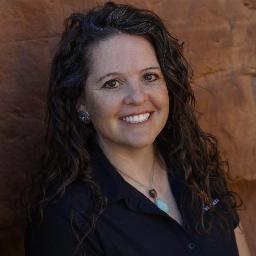
About Erin
Erin Grover is a Licensed Clinical Social Worker with twelve years of professional experience. She practices in Utah and supports people facing stress, anxiety, relationship struggles, trauma and abuse, grief, and depression. Erin has worked extensively with attachment issues and personality patterns such as avoidant and dependent styles.
She also helps people carry the weight of guilt, shame, and the aftermath of post-traumatic stress. Her approach aims to meet each person's needs rather than use the same plan for everyone.
Background and approach
In sessions she focuses on clear goals and practical steps. Conversations are tailored to the person in front of her and move at a pace that feels manageable. She uses techniques that connect emotions, body responses, and everyday coping skills.
Erin emphasizes respect, sensitivity, and compassion in her work. She supports people as they make changes and try different strategies to feel better. Many clients begin by identifying one or two areas they want to improve and then build from there.
Beginning therapy can feel hard, and she acknowledges that courage. Erin helps people take small steps toward a more fulfilling life. She collaborates on a plan and adjusts it as needs and goals evolve.
Approaches that guide online sessions
Erin uses evidence-based techniques that connect emotions, body responses, and practical coping. One approach focuses on tracking physical responses and teaching simple body-based skills to reduce stress and overwhelm. This helps when strong sensations interfere with daily life or make it hard to stay present.She also works with patterns in relationships and attachment, helping people notice repeated reactions and try alternative responses. This approach is useful for improving trust, communication, and emotional safety in close relationships. When trauma is part of the history, she blends grounding strategies with paced processing to help reduce distress while staying within what a person can tolerate.
Choosing the right approach is part of the work together. The therapist will talk with each person about goals, preferences, and what feels most helpful. Then she will try methods that fit and adjust them as needed in collaboration with the client.
Online therapy offers flexibility. Video calls let people use visual cues and more natural conversation. Phone sessions can be easier when bandwidth is limited or a shorter check-in is needed. Live chat and text-based messaging work for brief updates, journaling between sessions, or when writing helps someone organize thoughts. These options make it easier to fit therapy into busy days and different life situations.
Frequently asked questions
What issues does this therapist help with?
What is the therapist's general style in sessions?
How much experience does she have?
What credentials and location are listed?
Which languages are supported for sessions?
What session formats are offered?
How does billing and cost work?
How do I begin working with this therapist?
Specialties and expertise
Top specialties
- Stress, Anxiety
- Relationship issues
- Trauma and abuse
Also works with
- Attachment issues
- Avoidant personality
- Dependent personality
- Depression
- Forgiveness
- Grief
- Guilt and shame
- Personality disorders
- Post-traumatic stress
- Self-love
- Experience
- 12 years
- Licensed
- Utah, Arizona
- Languages
- English