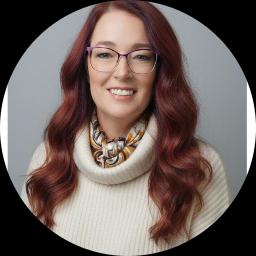
About Elizabeth
Elizabeth Sharma uses practical, evidence-based therapeutic techniques to help people manage family conflict, trauma, and mood problems. She is a Licensed Clinical Social Worker, LCSW, practicing in California with two decades of professional experience. Her approach is direct and compassionate and aims to make today’s challenges easier to bear.
She focuses on common struggles like parenting stress, depression, anger, low self-esteem, and attention issues. She also supports people processing abandonment, adoption and foster care histories, attachment wounds, and the impact of sexual assault and other abuse.
Background and approach
Sessions are shaped to the person in front of her rather than a fixed script. Elizabeth tailors conversations and treatment plans to fit each person’s needs. She pays attention to how past hurts affect current relationships and day-to-day functioning.
She helps people sort through upsetting memories and practical problems so they can make clearer choices. Her style is straightforward and respectful. She listens, asks practical questions, and offers tools that people can try between sessions.
The aim is steady progress rather than quick fixes. Over twenty years Elizabeth has worked with many presentations including panic, post-traumatic stress, mood disorders, and the challenges of young adulthood. She encourages people to take the first step and will work with them to create a manageable plan for therapy.
Practical approaches for online family and trauma work
Elizabeth uses evidence-based therapeutic techniques that focus on real-life change. One approach emphasizes working through traumatic memories and their ongoing effects, helping people reduce distressing reactions and improve daily functioning after abuse or other trauma. Another approach concentrates on mood and anxiety symptoms with structured tools to manage panic, depression, and overwhelming emotions so a person can handle stress more effectively.Finding the right approach is part of the work. The therapist will talk with each person about their goals and preferences and then choose or combine methods that match those needs. This is a collaborative process and adjustments are expected as therapy progresses.
Online sessions are offered as video calls, phone sessions, live chat, or text-based messaging to make care easier to fit into life. Video lets people use face-to-face conversation when helpful. Phone sessions can work when bandwidth is limited or when someone prefers not to be on camera. Live chat or messaging supports shorter check-ins, ongoing problem-solving, and flexibility across a week. These options help people access consistent support around work, school, or parenting demands.
Frequently asked questions
What concerns does Elizabeth commonly address?
What is her therapeutic style like?
How long has she been practicing?
What are her credentials and where is she located?
Which languages are supported and can international clients join?
What session formats are available?
How does cost and billing work?
How do I begin therapy with her?
Specialties and expertise
Top specialties
- Family conflicts
- Trauma and abuse
- Parenting issues
Also works with
- Experience
- 20 years
- Licensed
- California
- Languages
- English