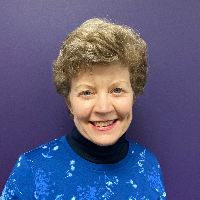
About Elizabeth
Elizabeth Dick is a licensed clinical social worker (LCSW) who helps people facing big life changes. She focuses on stress, anxiety, depression, grief, and coping with transitions. She also supports people dealing with relationship strain, parenting challenges, anger, low self-esteem, bipolar disorder, and compassion fatigue.
Her approach is warm and open. She listens first, then helps people find practical next steps they can try between sessions. Conversations are collaborative and paced to each person’s needs.
Background and approach
Elizabeth draws on a few evidence-based methods to shape sessions that feel useful and doable. In sessions she uses narrative techniques to help people make sense of their story. She also uses internal family systems ideas to look at different parts of a person’s experience.
Cognitive-behavioral tools are used to identify patterns and try new ways of thinking and behaving. Elizabeth has three years of clinical experience working with these concerns in Tennessee. She describes the work as partnering with people to locate strengths and small changes that add up over time.
Her style tends to be straightforward, compassionate, and focused on practical steps. She offers sessions in English and accepts international clients. People ready to start are invited to complete a short matching questionnaire and schedule sessions according to her availability.
Evidence-based approaches delivered online
Elizabeth uses a few proven therapeutic techniques in straightforward ways. Narrative work helps people tell and reframe their story so painful events feel clearer and less overwhelming. Internal family systems offers a simple way to name different parts of a person’s inner experience and reduce internal conflict. Cognitive-behavioral strategies focus on spotting unhelpful thoughts and trying small behavior changes to improve mood and functioning.Choosing the right approach is a team effort. The therapist will listen to your goals and try methods that fit your needs and preferences. If something doesn’t fit, adjustments are made together so the work stays practical and relevant.
Online formats include video calls, phone sessions, live chat, and text-based messaging. Video is useful for face-to-face conversation and visual cues. Phone sessions work well when bandwidth is limited or you prefer not to be on camera. Live chat and messaging are helpful for brief check-ins, quick coping skills, or when writing feels easier than speaking. These options make therapy more flexible and easier to fit into busy routines.
Frequently asked questions
What kinds of concerns does she help with?
What is her therapeutic style like?
How much clinical experience does she have?
What credentials and location are listed?
In which languages are sessions offered?
What session formats are available?
How does payment and cost work?
How do I begin working with her?
Specialties and expertise
Top specialties
- Stress, Anxiety
- Relationship issues
- Family conflicts
Also works with
- Anger management
- Bipolar disorder
- Compassion fatigue
- Coping with life changes
- Depression
- Grief
- Parenting issues
- Self esteem
- Experience
- 3 years
- Licensed
- Tennessee
- Languages
- English