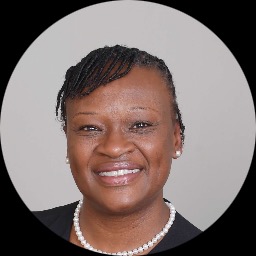
About Eliska
Eliska Brooks Davis is a licensed clinical social worker practicing in Louisiana. She has eight years of experience helping people cope with stress, anxiety, depression, and life changes. She focuses on building a calm, straightforward space where clients can talk through difficult feelings.
She helps people facing family conflict and those trying to boost self-esteem and confidence. Eliska also works with themes like forgiveness, guilt and shame, life purpose, and self-love.
Background and approach
Her style is practical and conversational, aimed at small changes that add up over time. Eliska uses Cognitive Behavioral Therapy, which looks at how thoughts, feelings, and actions interact. That approach produces simple skills clients can use between sessions to manage stress and anxiety.
Sessions are collaborative - she and the client set goals and track progress together. People meet Eliska for a mix of short-term problem solving and longer-term personal growth. Conversations focus on clear strategies, coping tools, and rebuilding motivation.
She encourages steady steps toward the life someone wants to live. Her practice values direct support and gentle accountability. Eliska aims to make it easier to try new ways of thinking and doing.
She invites people to bring real-life struggles and small wins to each session.
CBT and online support for everyday challenges
Eliska uses Cognitive Behavioral Therapy (CBT) to help people see how thoughts, feelings, and actions are linked. CBT focuses on identifying unhelpful thinking patterns and trying different responses. It is often used for anxiety, low mood, stress, and problems with motivation. Finding the right approach is part of the work. Eliska collaborates with each person to pick techniques that match their goals and preferences. Together they set goals, try strategies, and adjust the plan based on what helps most. Online sessions are offered as video calls, phone sessions, live chat, or text-based messaging to fit different needs. Video calls allow face-to-face conversation and visual cues. Phone sessions can be a good option when bandwidth is limited or a more personal voice check-in is needed. Live chat and text messaging work for quick check-ins, short reflections, and stepped care between longer sessions. These formats make it easier to fit therapy into a busy schedule and keep momentum between meetings.Frequently asked questions
What issues does she commonly help with?
What is her therapeutic style?
How much experience does she have?
What credentials and location are listed?
Which languages are supported?
What session formats are available?
How does pricing work?
How do I begin working together?
Specialties and expertise
Top specialties
- Stress, Anxiety
- Family conflicts
- Self esteem
Therapeutic approaches
- Experience
- 8 years
- Licensed
- Louisiana
- Languages
- English