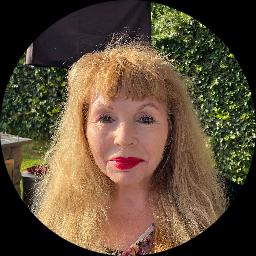
About Diane
Diane Cullen is a Licensed Clinical Social Worker who helps people facing grief, addiction, anxiety, depression, and big life changes. She brings a calm, nonjudgmental presence and practical support to conversations about emotional struggle. Diane speaks plainly and focuses on what matters to each person she meets.
She draws on 15 years of direct clinical experience as an LCSW to offer steady guidance. Sessions emphasize listening first, then working together on steps that make daily life easier.
Background and approach
Diane uses straightforward strategies alongside deeper emotional work, depending on what each person needs. Common concerns she addresses include process addictions like gambling or problematic exercise, end-of-life and hospice-related distress, seasonal affective disorder, relationship strain, and issues of intimacy and self-worth. She also supports people dealing with bipolar disorder and compassion fatigue from helping roles.
Diane blends client-centered conversation with emotion-focused techniques to help people understand their patterns. She uses Jungian ideas when dreams or personal meaning matter, and solution-focused methods when a clear plan will help move things forward. Her approach is practical and respectful.
She offers resources, education, and hope while keeping sessions focused on what the person wants to change. Diane works from California and conducts sessions in English.
How Diane’s Approaches Work Online
Client-centered therapy focuses on listening without judgment and reflecting what matters to the person. It helps people feel heard and guides decisions about what to address next. Emotionally-Focused Therapy (EFT) looks at how emotions shape relationships and personal patterns, which can help with intimacy-related issues, grief, and anxiety.Finding the right way to work together is part of the process. Diane will talk with each person about their goals and preferences and suggest approaches that fit. Together they’ll try methods and adjust as needed so sessions match real-life needs.
Online formats include video calls, phone sessions, live chat, and text-based messaging to provide flexibility. Video sessions let therapists see nonverbal cues, phone calls can work when bandwidth is limited, live chat allows shorter check-ins, and messaging supports ongoing reflection between sessions. These options make it easier to fit therapy into a busy schedule and to keep momentum between meetings.
Frequently asked questions
What kinds of concerns does she address?
How would you describe her therapy style?
What is her professional background?
Where is she licensed and based?
Which languages are supported for sessions?
Can international clients work with her?
What session formats are available?
How do I begin therapy with her and what does it cost?
Specialties and expertise
Top specialties
Also works with
- Bipolar disorder
- Coping with life changes
- Depression
- Eating disorders
- Family conflicts
- Hospice and end-of-life counseling
- Intimacy-related issues
- LGBT
- Process addiction (porn, exercise, gambling)
- Relationship issues
- Seasonal Affective Disorder (SAD)
- Self esteem
- Sleeping disorders
- Stress, Anxiety
- Trauma and abuse
Therapeutic approaches
- Experience
- 15 years
- Licensed
- California
- Languages
- English