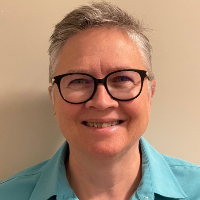
About Delores
Dr. Delores Liston offers calm, practical care for people feeling overwhelmed by stress, anxiety, depression, or life changes. She aims to create an easygoing space where clients can talk through what is hardest and work toward small, steady improvements.
Dr. Liston holds a Licensed Clinical Social Worker credential and speaks English. She practices from Georgia and brings ten years of experience to her work.
Her approach centers on the person in front of her.
Background and approach
She listens first, then helps set short-term goals that make day-to-day life easier. Conversations are shaped around what the client wants to change, with emphasis on strengths and clear steps forward. Dr.
Liston uses practical tools from client-centered methods, Dialectical Behavior Therapy, mindfulness work, and solution-focused strategies. Those methods are used to address anxiety, depression, substance concerns, grief, identity-related stress, relationship struggles, sleep problems, and compassion fatigue. She also pays attention to multicultural concerns in how she supports each person.
Sessions often include skill practice, breathing or grounding exercises, and planning for manageable next steps. Some people focus on coping tools for panic and sleep; others build skills for emotional regulation or addiction triggers. Dr.
Liston adapts the pace to fit each person’s needs. She describes her style as respectful and straightforward. New clients complete a brief questionnaire to match with her and then schedule sessions.
Therapy uses a subscription plan that may be canceled at any time.
Therapeutic approaches that translate online
Client-centered therapy focuses on listening, respect, and tailoring sessions to each person’s goals. It helps when someone needs a therapist who follows their pace and priorities rather than imposing a fixed plan. Dialectical Behavior Therapy, or DBT, teaches practical skills for managing intense emotions, improving relationships, and reducing impulsive behaviors. Those skills often include grounding, distress tolerance, and clear communication techniques that can be practiced between sessions.Finding the right approach is a team effort. The therapist will check in about what feels helpful and adjust methods over time. Together they set short-term goals and try techniques to see what fits the client’s needs, goals, and day-to-day life.
Online therapy offers flexibility through video calls, phone sessions, live chat, and text-based messaging. Video calls allow face-to-face conversation and visual cues, while phone sessions can be a good option with limited bandwidth or when someone prefers not to be on camera. Live chat and messaging are useful for brief check-ins, journaling thoughts, or getting support between longer sessions. These options make it easier to fit therapy into workdays, caregiving schedules, or other busy routines, and they let clients practice real-life skills where challenges actually happen.
Frequently asked questions
What concerns does this therapist commonly address?
What is her general therapeutic style?
How much experience does she have?
What credentials and location are listed?
Which languages and international options are available?
What session formats are offered?
How are costs handled?
What are the first steps to begin working together?
Specialties and expertise
Top specialties
Also works with
- Bipolar disorder
- Career difficulties
- Compassion fatigue
- Coping with life changes
- Depression
- Family conflicts
- Grief
- Intimacy-related issues
- Multicultural concerns
- Relationship issues
- Self esteem
- Sleeping disorders
- Trauma and abuse
Therapeutic approaches
- Experience
- 10 years
- Licensed
- Georgia, North Carolina
- Languages
- English