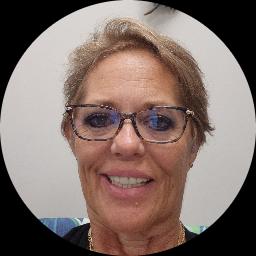
About Debra
Debra Matthews-Robinson offers calm, practical support for people feeling overwhelmed by stress, anxiety, grief, or changes in life. She writes plainly and listens closely to what matters most to each person. Debra is a licensed clinical social worker - LCSW - practicing in Florida with twenty years of experience.
She helps people manage depression and mood problems using clear tools and steady guidance. Sessions focus on small, doable steps to reduce panic attacks, ease anxious thinking, and improve everyday coping.
Background and approach
She also works with people facing addiction and the emotions that follow recovery efforts. Caregiver stress and communication problems are common topics Debra addresses. She supports people who feel burdened by caregiving duties and those who want better ways to say what they need.
Issues like guilt, shame, and forgiveness are explored with attention to practical change as well as emotional healing. Her style blends straightforward methods with empathy. That means talking through difficult memories, learning new skills, and practicing them between sessions.
Debra uses approaches such as Cognitive Behavioral Therapy and Eye Movement Desensitization and Reprocessing when they fit the person’s goals. Clients can expect a collaborative, patient-paced process that focuses on real problems and clear steps forward. She invites people from varied backgrounds to work on self-love, improved communication, and smoother transitions through life changes.
Online approaches and how they help
Debra uses Cognitive Behavioral Therapy to help people notice unhelpful thoughts and try different behaviors. CBT focuses on simple exercises and skills that reduce anxiety, lift mood, and cut the intensity of panic attacks. Eye Movement Desensitization and Reprocessing, or EMDR, is used to process painful memories and reduce their emotional impact, which can help with grief and trauma-related distress.Finding the right method is part of the work together. The therapist will talk with each person about goals and preferences and then suggest which approaches to try. This is a collaborative process and adjustments are made as progress and needs become clearer.
Online therapy offers flexible options like video calls, phone sessions, live chat, or text-based messaging. Video is useful for face-to-face conversation and teaching skills, phone can be easier when video is not possible, live chat suits shorter check-ins, and text messaging supports ongoing contact and reminders. These choices make it easier to fit therapy into busy days and to keep continuity when schedules change.
Frequently asked questions
What concerns does she help with?
What is her therapeutic style like?
How much experience does she have?
What are her credentials and location?
Can I work with her if I live outside the U.S.?
What session formats are available?
How does payment and cost work?
How do I begin working together?
Specialties and expertise
Top specialties
Also works with
Therapeutic approaches
- Experience
- 20 years
- Licensed
- Florida
- Languages
- English