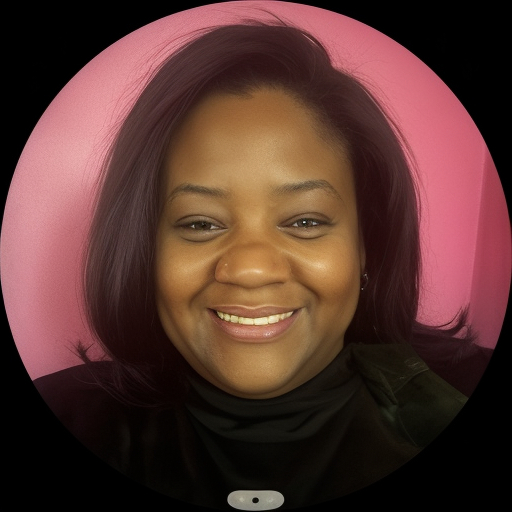
About Deanna
Deanna Robinson helps people facing stress, anxiety, trauma and abuse, grief, depression, and big life changes. She works to make the hard things feel more manageable. Deanna speaks plainly and focuses on practical steps people can use between sessions.
She draws on evidence-based therapeutic techniques to address upsetting memories, difficult emotions, and unhelpful thought patterns. Sessions tend to mix skill-building with talk therapy so people can try new ways of coping and notice what changes.
Background and approach
Progress is usually paced to what each person can handle. Deanna keeps the room nonjudgmental and focused on what the person wants to change. She helps people identify goals, practice emotion regulation, and build routines that support daily life.
When trauma is present, attention is given to safety and stabilization first. Over a decade of clinical practice in Texas informs her approach. Deanna uses clear explanations and small, achievable steps rather than jargon.
Her style is direct but warm, and she aims to make therapy feel useful from the first weeks. People who choose her often want concrete tools for anxiety, ways to process grief, or support shifting patterns that cause distress. Deanna, a Licensed Clinical Social Worker, combines practical strategies with steady emotional support to help people move forward.
Evidence-based approaches for online healing
Deanna uses several evidence-based techniques that translate well to online work. Cognitive Behavioral Therapy focuses on spotting and changing unhelpful thought patterns and testing new behaviors; it often helps with anxiety and depression by breaking cycles of negative thinking. Dialectical Behavioral Therapy emphasizes emotion regulation, distress tolerance, and interpersonal effectiveness skills; it is useful when intense emotions interfere with daily life. Trauma-informed methods prioritize safety, stabilization, and careful pacing when processing traumatic memories so people can proceed at a comfortable rate.Finding the right approach is part of the process. The therapist works collaboratively with each person to choose methods that fit their goals, needs, and preferences. Plans are adjusted over time based on what is working and what the person feels able to try.
Online formats include video calls, phone sessions, live chat, and text-based messaging. Video sessions allow face-to-face interaction and visual cues, phone sessions can be easier when bandwidth is limited, live chat is useful for brief check-ins, and messaging supports ongoing reflection between meetings. These options offer flexibility to fit work, family, and daily routines while making it easier to keep regular contact with a licensed professional.
Frequently asked questions
What concerns does Deanna address?
How would you describe her therapeutic style?
What background and experience does she have?
What credentials and location are listed?
In which languages can sessions be held?
What session formats are available?
How does billing and cost work?
How do I begin the process?
Specialties and expertise
Top specialties
Also works with
- Experience
- 10 years
- Licensed
- Texas, Louisiana
- Languages
- English