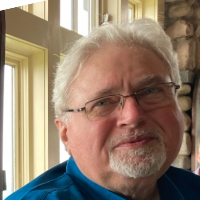
About David
David Tymchyn is a licensed clinical social worker with more than two decades of practice in New York. He focuses on helping people facing stress, anxiety, addiction, trauma, grief, depression, relationship concerns, and related struggles. He meets people where they are and helps them identify clear goals for change.
He earned a master’s degree in social work from the University at Albany and has held a New York LCSW (Licensed Clinical Social Worker) for about 20 years.
Background and approach
Before graduate school he returned to study in his 30s, and that life experience shapes his practical approach to care. David uses straightforward conversation and collaborative problem solving. He emphasizes respect and gives information that helps people understand themselves and their situations.
Sessions tend to focus on what a person wants to accomplish and steps that move them toward those aims. Much of his work has included supporting people affected by substance use and the families around them. He also helps people dealing with parenting strain, eating concerns, ADHD, compassion fatigue, and serious mood changes such as bipolar symptoms.
HIV/AIDS and personality disorder concerns are also among his focus areas. In sessions he draws on client-centered methods alongside cognitive behavioral and solution-focused ideas, with tools from motivational interviewing and trauma-focused work when appropriate. The overall aim is practical progress so daily life gets easier and more manageable.
David brings steady experience and a patient manner. He looks to build mutual respect and to empower people with knowledge and clearer choices about their next steps.
Therapeutic approaches suited to online care
David blends client-centered work with cognitive behavioral therapy to help people make clear changes. Client-centered therapy focuses on listening, understanding what matters to the person, and building a respectful working relationship that guides each session. Cognitive behavioral therapy looks at thoughts and behaviors that keep problems going and uses practical exercises to reduce symptoms like anxiety or low mood.He also uses motivational interviewing to help people resolve mixed feelings about change. That approach involves asking questions that help a person identify their own reasons for change and build motivation without pressure. Together, these methods can address stress, addictions, relationship concerns, grief, and trauma-related symptoms in focused ways.
Finding the best approach is a collaborative process. The therapist will ask about your goals, preferences, and the everyday challenges you face, and then suggest methods that fit. You and he can adjust the plan as work progresses so the sessions stay useful and relevant.
Online formats include video calls, phone sessions, live chat, and text-based messaging. Video is useful for face-to-face conversation and visual cues. Phone calls work well when video is difficult or bandwidth is limited. Live chat and text can support shorter check-ins, real-time problem solving, or people who prefer written communication. These options give flexibility to fit therapy into work, caregiving, or travel schedules.
Frequently asked questions
What concerns does David commonly address?
What is his therapeutic style like?
How long has he been practicing?
Where is he based and how is he licensed?
Which languages are supported?
What session formats are available?
How are sessions paid for?
How do I begin working with him?
Specialties and expertise
Top specialties
Also works with
- ADHD
- Anger management
- Bipolar disorder
- Compassion fatigue
- Coping with life changes
- Depression
- Eating disorders
- Family conflicts
- Grief
- HIV / AIDS
- LGBT
- Parenting issues
- Personality disorders
- Relationship issues
- Self esteem
Therapeutic approaches
- Experience
- 22 years
- Licensed
- New York
- Languages
- English