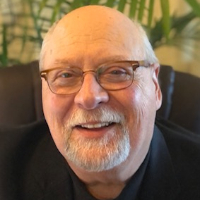
About David
Dr. David Carlini helps people manage stress, anxiety, low self-esteem, career difficulties, depression, relationship challenges, anger, and major life changes. He also focuses on attachment issues, communication problems, and control issues.
David presents himself plainly and aims to make therapy practical and usable. David is a licensed clinical social worker. He earned a masters degree in social work from the University of Pittsburgh and holds a doctorate in health administration from Central Michigan University.
Background and approach
He also has experience as a retired specialty hospital CEO in psychiatry and addiction medicine and is a retired Fellow of the American College of Healthcare Executives. This combination of clinical and administrative background shapes his practical perspective. In sessions he uses a mix of approaches, including cognitive behavioral ideas, client-centered listening, mindfulness, narrative work, and attachment-focused thinking.
He leans toward straightforward conversations that focus on current problems and realistic steps forward. He aims to help people build motivation, confidence, and clearer ways of handling work and life demands. David has about 10 years of experience in clinical practice.
He draws on that experience to balance psychological understanding with real-world solutions for career and everyday life challenges. He explains things in plain language and focuses on skills people can apply between sessions. People who choose him can expect calm, practical guidance and collaborative planning.
He welcomes the chance to learn what matters to each person and to shape therapy around their goals and circumstances.
How his approaches fit into online therapy
Attachment-Based Therapy looks at how early patterns of relating affect current relationships and emotional responses; online sessions use conversation to notice those patterns and practice new ways of connecting. Client-Centered Therapy focuses on listening and understanding the persons perspective; the therapist offers empathic presence and helps people find their own solutions during virtual conversations. Cognitive Behavioral Therapy (CBT) helps identify unhelpful thoughts and habits and replace them with practical skills; in remote sessions this often means setting small homework tasks and reviewing results together. Finding the right approach is part of the work. The therapist will collaborate with each person to choose methods that match their goals, needs, and preferences. That choice can change over time as goals shift and progress is made. Online formats like video calls, phone sessions, live chat, and text-based messaging make therapy more flexible. Video calls allow face-to-face conversation and visual cues, phone sessions work well when bandwidth is limited, live chat can support quick check-ins, and messaging is useful for brief updates or ongoing reflection. These options help people fit therapy into busy schedules and stay connected between sessions.Frequently asked questions
What kinds of concerns does this therapist address?
What is his general therapy style?
How much clinical experience does he have?
What credentials and location are listed for this therapist?
Which languages are sessions offered in?
What session formats are available?
How are costs and payments handled?
How do I begin working with him?
Specialties and expertise
Top specialties
- Stress, Anxiety
- Self esteem
- Career difficulties
Also works with
- Anger management
- Attachment issues
- Coaching
- Communication problems
- Control issues
- Coping with life changes
- Depression
- Relationship issues
Therapeutic approaches
- Experience
- 10 years
- Licensed
- Florida
- Languages
- English