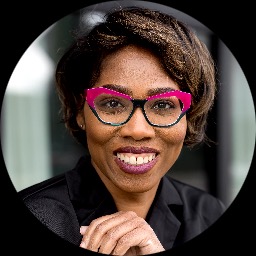
About Courtney
Courtney Porter is a licensed clinical social worker who helps people manage stress, anxiety, grief, low self-esteem, depression, and major life changes. She gently guides clients through early steps and makes space for honest conversations. Her approach is warm and straightforward, aimed at giving practical tools people can use day to day.
Courtney brings ten years of professional experience to her work. She blends problem-solving methods with mindfulness and personal storytelling to help people notice what matters most and make steady changes.
Background and approach
Sessions are focused and collaborative, with concrete strategies to reduce anxiety and lift motivation. In sessions she uses Cognitive Behavioral Therapy to identify unhelpful thinking patterns and develop new coping responses. Mindfulness practices help people reconnect with the present moment and reduce reactivity.
Narrative techniques are used to reframe difficult experiences and make room for growth. Courtney holds a Licensed Clinical Social Worker credential, listed as LCSW. She is licensed in multiple states and practices from Tennessee.
Her experience includes supporting people through loss and transitions while keeping conversations clear and down to earth. Clients can expect a respectful, nonjudgmental space where real-life problems are addressed with practical steps. Courtney emphasizes small, achievable goals so progress is visible.
She encourages people to take the first step and offers guidance on what to expect as therapy begins.
Online approaches that focus on thinking, presence, and stories
Cognitive Behavioral Therapy, or CBT, looks at how thoughts, feelings, and actions connect. It helps people spot patterns that increase anxiety or low mood and practice different responses to feel better. Mindfulness Therapy trains simple attention and breathing skills to reduce reactivity and increase calm in stressful moments.Narrative Therapy helps people name and re-author difficult experiences by looking at the stories they tell about themselves. This can be useful for grief, low self-esteem, and life transitions where a person wants a clearer sense of who they are next.
Finding the right approach is part of the work. The therapist will talk with each person about their goals, preferences, and what feels most useful. Together they choose methods and adapt them over time so sessions remain practical and relevant.
Online sessions make it easier to fit therapy into a busy life. Video calls allow face-to-face conversation, while phone sessions use less bandwidth and can be a quicker check-in. Live chat and text messaging are good for shorter exchanges, ongoing support between meetings, or when writing feels easier than speaking. These options aim to increase flexibility and access while keeping the focus on progress and practical tools.
Frequently asked questions
What concerns does Courtney help with?
How would you describe her therapeutic style?
What is her experience background?
What credentials and location are listed?
Which languages are supported and can international clients join?
What session formats are available?
How does cost work for sessions?
What are the first steps to begin therapy?
Specialties and expertise
Top specialties
Also works with
Therapeutic approaches
- Experience
- 10 years
- Licensed
- Tennessee, Arkansas, Texas
- Languages
- English