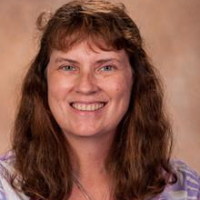
About Cindy
Dr. Cindy Stewart-Sampson helps people facing stress, anxiety, grief, trauma, depression, parenting strain, relationship and intimacy concerns, and issues tied to addiction or ADHD. She also supports parents and caregivers dealing with adoption, foster care, blended family challenges, attachment questions, and caregiver stress.
Dr. Stewart-Sampson names compassion fatigue, career strain, communication and control struggles among common concerns she addresses. She speaks plainly in sessions and aims to make therapy practical.
Background and approach
Her style centers on listening first and then offering approaches that fit each person. Sessions often include mindfulness exercises, values-based work, and attention to emotional bonds and attachment patterns. Dr.
Stewart-Sampson holds a Doctor of Philosophy and is a Licensed Clinical Social Worker, LCSW, licensed in Florida under FL LCSW SW4987. She has four years listed in the current profile summary and a long past history in school social work and education that shaped her focus on grief and special needs parenting.
Her background includes school social work, college teaching in sociology and social work topics, and experience preparing psychosocial evaluations and home studies for adoption. That history informs how she helps people navigate complex systems and caregiving demands. In sessions she uses Acceptance and Commitment Therapy ideas, attachment-focused work, emotionally-focused tools, client-centered listening, and mindfulness practices.
Conversations are practical and collaborative, with attention to what feels useful in everyday life.
Approaches that guide online sessions
Acceptance and Commitment Therapy, or ACT, focuses on clarifying personal values and taking small committed steps toward them while learning to live with difficult thoughts and feelings. It can help with anxiety, stress, and issues that keep people stuck. Attachment-Based Therapy looks at how early bonds shape current relationships and emotional patterns; it helps people understand connection, trust, and recurring relationship struggles. Client-Centered Therapy emphasizes being heard without judgment and shaping the pace of work around what feels right for the individual.Choosing the right approach is a shared process. The therapist will discuss options, try methods that fit the client’s goals, and adjust as needed. Sessions are collaborative and paced to the person’s comfort rather than following a fixed script.
Online formats include video calls, phone sessions, live chat, and text messaging. Video lets people use visual cues and longer conversations. Phone sessions work well when bandwidth or camera use is an issue. Live chat and text let people check in more quickly or keep a short check-in during a busy day. These options add flexibility for people balancing work, caregiving, and daily life.
Frequently asked questions
What concerns does this therapist address?
How would you describe her therapeutic style?
What experience does she bring to sessions?
What credentials and location are listed?
In which languages can sessions be held?
What session formats are available?
How does cost and billing work?
How do I begin working with this therapist?
Specialties and expertise
Top specialties
- Stress, Anxiety
- Family conflicts
- Trauma and abuse
Also works with
- Addictions
- ADHD
- Adoption and foster care
- Anger management
- Attachment issues
- Blended family issues
- Career difficulties
- Caregiver issues and stress
- Commitment issues
- Communication problems
- Compassion fatigue
- Control issues
- Depression
- Grief
- Intimacy-related issues
- Parenting issues
- Relationship issues
Therapeutic approaches
- Experience
- 4 years
- Licensed
- Florida
- Languages
- English