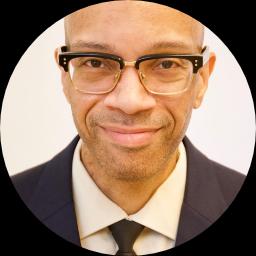
About Chris
Chris Payton is a licensed clinical social worker practicing in New York. He has eight years of experience helping people manage depression, addiction, anger, low self-esteem, and the effects of trauma and abuse. He also has a focus on HIV / AIDS related concerns.
Chris approaches each person with respect, sensitivity, and compassion. He keeps conversations clear and direct. Sessions focus on practical steps people can try between meetings.
He adapts plans to fit each person’s situation rather than using a one-size-fits-all method.
Background and approach
The goal is to help people feel more in control and better able to handle day-to-day challenges. Chris uses techniques from cognitive behavioral therapy to identify and change unhelpful thinking and behavior patterns. He also draws on motivational interviewing to help people find their own reasons to change and to build commitment.
These approaches are used to address mood, coping, and substance-related concerns. In sessions he works collaboratively, listening first and adjusting pace to match the person’s comfort level. He offers practical tools for stress management, emotion regulation, and relapse prevention when relevant.
Progress is measured in small, achievable steps so people can see change over time. People who want straightforward, skills-focused support often find this style helpful. Chris encourages questions and checks in often to make sure the plan stays useful and realistic.
How therapeutic approaches work in online care
Chris uses cognitive behavioral therapy to help identify unhelpful thoughts and change patterns that contribute to low mood or risky behavior. CBT sessions focus on concrete skills and short exercises that can be practiced between meetings to reduce symptoms and improve daily functioning.He also uses motivational interviewing to help people clarify their own reasons for change and to build motivation. This approach is collaborative and nonjudgmental, and it is useful when someone feels stuck or uncertain about taking steps forward.
Finding the right approach is part of the work together. Chris will review needs, goals, and preferences and will adapt methods as the relationship progresses. Treatment plans are adjusted collaboratively so techniques fit the person’s life and pace.
Online therapy offers flexible ways to meet. Video calls allow face-to-face conversation and visual cues. Phone sessions can be a simpler option when bandwidth or being on camera is an issue. Live chat and text-based messaging make it easier to check in between sessions or to fit brief support into a busy day. These formats help people maintain continuity of care while fitting therapy into work, family, and daily routines.
Frequently asked questions
What concerns does Chris help with?
What is his therapeutic style like?
How much clinical experience does he have?
What are his credentials and where is he based?
Which languages are sessions offered in?
Can people outside the U.S. work with him?
What session formats are available?
How much do sessions cost and how do I start?
Specialties and expertise
Top specialties
- Addictions
- Trauma and abuse
- Anger management
Also works with
- Depression
- HIV / AIDS
- Self esteem
Therapeutic approaches
- Experience
- 8 years
- Licensed
- New York
- Languages
- English