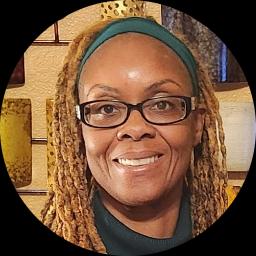
About Charesse
Charesse Branch is a Licensed Clinical Social Worker who offers calm, practical support for people facing family stress, trauma, grief, and parenting challenges. She writes plainly and listens closely to understand what matters most to each person. Her approach aims to help people feel steadier and more able to handle day-to-day problems.
She draws on client-centered work to shape sessions around each person’s priorities. That means conversations follow what feels most useful to the client, not a fixed script.
Background and approach
She also uses mindfulness techniques to help people notice thoughts and feelings without getting overwhelmed. Charesse has six years of experience listed in clinical practice and many more years in social work roles. She has worked directly with family concerns, trauma and abuse, grief and loss, anger, stress, anxiety, addictions, relationships, parenting, self-esteem, and coping with life changes.
Her background gives her experience with a wide range of situations that bring people into therapy. In sessions she focuses on respectful, sensitive, and compassionate dialogue. Treatment plans are adapted to the individual so talks and exercises match each person’s strengths and needs.
She aims to empower people to take gradual steps toward more manageable days. People who want straightforward, practical support may find her style approachable. Conversations are down-to-earth and goal-focused, while still making room for emotion and healing.
Charesse helps clients move forward at a pace that fits their life.
Client-centered and mindfulness approaches online
Client-centered therapy focuses on what matters to the person in front of the therapist. The therapist follows the client’s lead, asks questions that clarify priorities, and helps people set goals that feel meaningful. This approach is useful for family conflict, relationship struggles, parenting concerns, and self-esteem work.Mindfulness therapy teaches simple practices to notice thoughts, bodily sensations, and emotions without immediately reacting. These practices can help with anxiety, stress, anger, and coping after trauma or loss by creating more space to choose responses.
Finding the right approach is part of the work. The therapist will collaborate with each person to decide which methods fit their needs, goals, and preferences. Plans are adjusted as progress is made so the work stays helpful and relevant.
Online sessions are offered by video calls, phone sessions, live chat, and text-based messaging. Video calls allow face-to-face conversation when a longer session is useful. Phone sessions use less bandwidth and can fit a break at work. Live chat or text messaging provide brief check-ins and ongoing support between longer sessions. These options make it easier to fit therapy into busy lives and different schedules.
Frequently asked questions
What kinds of concerns does this therapist help with?
How would you describe the therapy style?
What is the therapist's professional background?
Where is the therapist licensed and located?
Which languages are sessions offered in?
What session formats are available?
How does payment and cost work?
How do I begin working with this therapist?
Specialties and expertise
Top specialties
- Family conflicts
- Trauma and abuse
- Grief
Also works with
- Addictions
- Anger management
- Coping with life changes
- Parenting issues
- Relationship issues
- Self esteem
- Stress, Anxiety
Therapeutic approaches
- Experience
- 6 years
- Licensed
- California
- Languages
- English