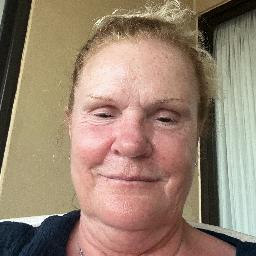
About Catherine
Catherine Glass is a licensed clinical social worker in New Jersey with 30 years of experience helping people manage stress, anxiety, depression, addictions, trauma, and relationship concerns. She speaks plainly and listens closely to what matters most to each person. Catherine aims to make conversations feel manageable and nonjudgmental so parents and caregivers can talk through worries and next steps.
Catherine creates a calm space where thoughts and feelings can be shared.
Background and approach
She helps people name sources of stress and look for practical ways to cope. Sessions focus on small changes that fit into daily life rather than on abstract theory. Her experience includes work with family conflict and relationship strain, and she also offers hospice and end-of-life counseling.
Over three decades she has supported people facing both sudden and long-term challenges. That background helps when problems feel layered or overwhelming. Catherine uses evidence-based therapeutic techniques to guide conversations and planning.
She works at a pace set by each person and prioritizes clear goals and simple tools that can be practiced between sessions. People who connect with Catherine often want straightforward help with emotions, patterns, or life transitions. She encourages questions and keeps recommendations practical.
Taking the first step is acknowledged and respected, and Catherine stays focused on what will make life more manageable for each person.
Therapeutic approaches and online care that fit your life
Evidence-based techniques are used to guide sessions in clear, practical terms. One common approach focuses on identifying unhelpful thinking and testing new ways of interpreting events to reduce anxiety and low mood. This helps when worry or negative thoughts make everyday tasks harder. Another approach emphasizes learning small coping skills and routines - such as breathing, planning, or step-by-step behavior changes - that reduce stress and improve daily functioning. These tools are useful for depression, addiction recovery, and managing trauma reactions.Finding the right approach is a collaborative process. The therapist will talk with each person about their goals and preferences and try methods that match those needs. If one strategy does not fit, adjustments are made so the work stays relevant and doable.
Online sessions are offered as video calls, phone sessions, live chat, or text-based messaging to make care more flexible. Video is useful for a full conversation and visual cues, phone works when bandwidth is limited, live chat can be a quicker check-in, and messaging lets someone write through thoughts between meetings. These options help fit therapy into busy schedules and different routines.
Frequently asked questions
What concerns does Catherine commonly help with?
What is her general therapeutic style?
How much experience does she have?
What are her credentials and where is she based?
Which languages are sessions offered in?
Can people outside the U.S. work with her?
What session formats are available?
How do fees work and how do I begin?
Specialties and expertise
Top specialties
- Stress, Anxiety
- Relationship issues
- Family conflicts
- Experience
- 30 years
- Licensed
- New Jersey
- Languages
- English