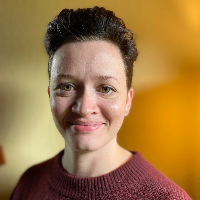
About Catherine
Catherine Chapman helps people facing stress, anxiety, depression, grief, trauma, and life changes. She also supports those dealing with compassion fatigue, addictions, eating concerns, parenting stress, career decisions, and self-esteem struggles. Catherine is a Licensed Clinical Social Worker - LCSW - practicing from Oklahoma.
She speaks English and uses clear, direct talk in sessions. Catherine draws on approaches like cognitive behavioral work, mindfulness practices, and solution-focused techniques to create practical steps forward.
Background and approach
She uses eye movement desensitization and reprocessing as part of trauma-focused care when appropriate. Her style is strengths-based and rooted in understanding each person’s life context. Before working in independent practice, Catherine spent years in hospital and medical settings helping patients and families navigate difficult health situations.
That experience shaped her attention to grief, caregiving strain, end-of-life concerns, and the intense stress many face during medical crises. Sessions focus on identifying what matters most, trying small changes, and building coping tools that fit everyday life.
Catherine treats work around post-traumatic stress, first responder issues, veteran and armed forces concerns, and divorce or separation stress with practical strategies and steady support. She aims to be a calm, attentive presence and to help people recognize their own strengths. Catherine works collaboratively to set goals and adjust the plan as needs shift.
Her aim is to offer clear options and tools people can use between sessions.
How her approaches translate to online therapy
CBT, or Cognitive Behavioral Therapy, focuses on identifying unhelpful thoughts and testing small behavior changes to reduce anxiety and low mood. It helps with stress, depression, and eating or self-esteem concerns by offering clear exercises and practice between sessions.EMDR, Eye Movement Desensitization and Reprocessing, is used as a trauma-focused method to help process distressing memories and reduce their emotional intensity. It is often paired with grounding and stabilization work for people dealing with post-traumatic stress or sudden loss.
Mindfulness therapy teaches simple attention and breathing practices to reduce reactivity and steady attention. These practices can support coping with compassion fatigue, caregiving stress, and ongoing anxiety.
Choosing the right approach is part of the work together. Catherine will talk with each person about goals, preferences, and what feels most useful, then adjust methods as therapy progresses. The decision is collaborative and can change over time.
Online therapy offers flexibility through video calls, phone sessions, live chat, or text-based messaging. Video lets people use visual cues and exercises, phone calls work well when bandwidth is limited, live chat and messaging can be used for brief check-ins or coaching-style support. These options make it easier to fit therapy into a busy life and to try different formats to see what helps most.
Frequently asked questions
What kinds of problems does she help with?
How would she describe her therapy style?
What is her background and experience?
What credentials and location are noted?
Which languages and international options are available?
In what formats are sessions offered?
How does pricing work for sessions?
What should I do to begin working with her?
Specialties and expertise
Top specialties
Also works with
- Addictions
- Bipolar disorder
- Career difficulties
- Caregiver issues and stress
- Coaching
- Coping with life changes
- Divorce and separation
- Eating disorders
- First responder issues
- Grief
- Hospice and end-of-life counseling
- LGBT
- Parenting issues
- Post-traumatic stress
- Self esteem
- Trauma and abuse
- Veteran and Armed Forces Issues
Therapeutic approaches
- Experience
- 4 years
- Licensed
- Oklahoma, Oregon, North Dakota, Maine, Washington
- Languages
- English