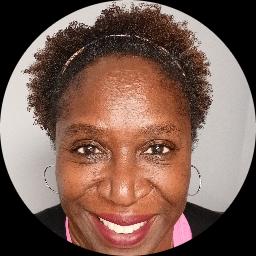
About Brenda
Brenda Burrell uses a client-centered approach to help people facing stress, anxiety, depression, and addiction. She creates a calm, nonjudgmental space where clients can talk about what matters most. Brenda is a licensed clinical social worker with an MS and LCSW credentials and brings 18 years of experience to sessions in Mississippi.
She draws on practical tools from cognitive behavioral therapy to help people notice unhelpful thinking and try new actions.
Background and approach
Dialectical behavior therapy skills add ways to manage intense emotions and improve coping. Mindfulness practices help slow things down and build steady attention when life feels overwhelming. Brenda also uses motivational interviewing to support people wrestling with change.
That approach helps clarify personal goals and strengthens motivation to follow through. She tailors methods to each person rather than using a single fixed plan. Her focus includes trauma and abuse, anger, relationship concerns, and compassion fatigue.
She also helps with ADHD, bipolar moods, self-esteem, guilt, and self-love. Veterans and people with post-traumatic stress are among the focus areas she lists. Sessions include talking through day-to-day problems and learning concrete skills to manage symptoms.
Brenda aims to help people build small routines and realistic goals that fit their lives. The work is collaborative and paced to each person’s needs.
Practical approaches for online care
Brenda often combines client-centered work with cognitive behavioral therapy to help people notice unhelpful thoughts and test small behavior changes. CBT focuses on clear, doable steps like changing a routine or trying a different response to stress, which translates well to video or phone sessions.She also uses dialectical behavior therapy skills to teach emotion regulation, distress tolerance, and interpersonal effectiveness. DBT skills are useful when emotions run high or when relationships feel strained, and they can be practiced between sessions using chat or text check-ins.
Choosing the best approach is a collaborative process. The therapist will listen to goals, try methods, and adjust based on what feels most helpful. Clients and the therapist decide together which skills to focus on and how to fit them into daily life.
Online sessions offer flexibility for different needs. Video calls let people work face-to-face from wherever they are, phone sessions are useful when bandwidth is limited, and live chat or text-based messaging can support short check-ins or skill practice between appointments. These options make it easier to keep a steady course of care while fitting therapy into a busy schedule.
Frequently asked questions
What kinds of problems does Brenda help with?
What is her therapeutic style like?
How much experience does she have?
Where is she licensed and located?
Which languages are supported for sessions?
Can she work with people outside the United States?
What session formats are available?
How do costs and scheduling work?
Specialties and expertise
Top specialties
- Stress, Anxiety
- Addictions
- Relationship issues
Also works with
- ADHD
- Anger management
- Bipolar disorder
- Communication problems
- Compassion fatigue
- Coping with life changes
- Depression
- Family conflicts
- Guilt and shame
- Post-traumatic stress
- Self esteem
- Self-love
- Trauma and abuse
- Veteran and Armed Forces Issues
Therapeutic approaches
- Experience
- 18 years
- Licensed
- Wisconsin, Mississippi
- Languages
- English