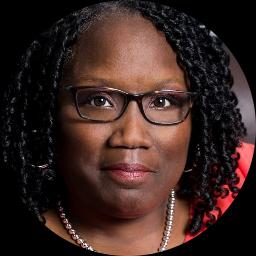
About Audrey
Audrey Rodgers is a licensed clinical social worker who helps people manage stress, anxiety, relationship strain, family conflict, anger, and depression. She speaks plainly and focuses on practical steps people can use day to day. Audrey aims to make it easier to talk about difficult feelings and to try new ways of coping.
With seven years of professional experience, Audrey draws on direct practice in Georgia and Texas. She creates a calm, nonjudgmental space where clients can share thoughts and feelings openly.
Background and approach
Conversations move at the client’s pace and focus on what matters most right now. Audrey supports people working through attachment concerns and communication problems. She also helps those trying to build self-love and healthier boundaries.
Sessions often include straightforward strategies for managing strong emotions and repairing strained connections. Her licensure credentials are LCSW and CSW, and she is licensed in Georgia and Texas. Audrey keeps goals clear and practical so progress can be tracked between sessions.
She encourages small changes that add up over time. People who choose Audrey can expect an approachable style and focused problem solving. She emphasizes collaboration and helps clients identify steps they feel ready to try.
The work is meant to fit into everyday life and to help people feel more able to handle tough moments.
Approaches that guide online sessions
Audrey uses evidence-based techniques that focus on practical change and better relationships. One approach helps people learn skills to manage strong emotions and reduce anxiety through step-by-step strategies for coping and calming. Another approach focuses on improving how people connect and communicate, helping them identify patterns in attachment and try new ways of relating that reduce conflict. Choosing a therapeutic method is a collaborative process. The therapist will talk with the client about goals, preferences, and what has or hasn’t helped before. Together they will try approaches that fit the client’s needs and adjust as progress is made. Online formats offer useful flexibility for busy schedules. Video calls allow face-to-face conversation when visual connection matters. Phone sessions work well when bandwidth is limited or a camera isn’t needed. Live chat and text messaging provide quick check-ins, shorter reflections, and options for people who prefer writing over speaking. These formats make it easier to fit therapy into work, family, and daily life while keeping the focus on steady, practical progress.Frequently asked questions
What concerns does this therapist focus on?
How would you describe the therapy style here?
What is the therapist's professional background?
What credentials and location are listed for the therapist?
Which languages are supported for sessions?
What session formats does the therapist offer?
How are costs and payments handled?
How do I begin working with this therapist?
Specialties and expertise
Top specialties
- Stress, Anxiety
- Relationship issues
- Family conflicts
Also works with
- Anger management
- Attachment issues
- Communication problems
- Depression
- Self-love
- Experience
- 7 years
- Licensed
- Georgia, Texas
- Languages
- English