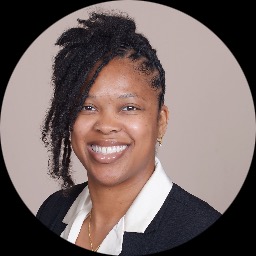
About Atiya
Atiya Lovett is a Licensed Clinical Social Worker who helps adults navigate stress, anxiety, relationship strain, trauma, low self-esteem, and depression. She offers a calm, direct style that focuses on practical steps people can use right away. Conversations aim to untangle immediate problems and build stronger coping skills for day-to-day life.
She uses a client-centered approach that keeps the person’s goals in focus. Sessions often include skill-building for emotional regulation and clearer communication.
Background and approach
Atiya draws on a background in clinical counseling, case management, and program leadership to shape treatment plans that fit each person’s situation. Her experience includes work with people involved in child welfare and other high-stress circumstances. This has informed how she assesses needs and prioritizes safety and stability.
She conducts thorough biopsychosocial assessments to form individualized plans that address practical barriers as well as emotional concerns. Therapy typically blends evidence-based techniques and a holistic view of wellbeing. That means attention to stress management, coping strategies, and improving relationships through clearer communication.
Sessions aim to help people feel more capable and balanced in everyday life. Atiya practices in Florida and brings four years of post-qualification experience as an LCSW. She communicates in English and offers several remote session formats to fit different schedules and preferences.
How evidence-based techniques translate to online care
Atiya commonly draws on evidence-based therapeutic techniques that focus on skills and practical change. One common approach is skills-based work that teaches tools for managing anxiety and regulating emotions, which helps with stress, panic, and everyday overwhelm. Another approach emphasizes trauma-informed care that recognizes past harm and builds safety, pacing work to what a person can handle while strengthening coping strategies.Choosing the right approach is a collaborative process. The therapist will talk with the client about their goals, preferences, and what has or hasn’t worked before. Together they adjust methods over time so the plan fits the person’s needs and life circumstances.
Online therapy formats include video calls, phone sessions, live chat, and text-based messaging. Video sessions let people use visual cues and longer conversational work. Phone sessions can be lower bandwidth and helpful for those who prefer not to be on camera. Live chat and text allow short check-ins, brief skills practice, and flexible messaging between sessions. These options make it easier to fit therapy around work, school, and family obligations while keeping focus on practical change and steady progress.
Frequently asked questions
What concerns does she help with?
What is her therapy style like?
How much clinical experience does she have?
What are her credentials and where is she based?
Which languages are supported for sessions?
What session formats are available?
How are sessions paid for?
How do I begin working with her?
Specialties and expertise
Top specialties
- Stress, Anxiety
- Relationship issues
- Trauma and abuse
Also works with
- Experience
- 4 years
- Licensed
- Florida, Virginia
- Languages
- English