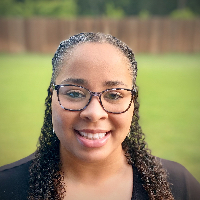
About April
April Pichon is a licensed clinical social worker in Texas who helps people cope with stress, anxiety, grief, and depression. She greets people with a calm, straightforward style and focuses on practical steps that can fit into busy lives. April listens first and adjusts her approach to what each person needs.
April draws on about 12 years of counseling experience and a longer career in social work. She uses methods that help people notice their thinking, accept difficult feelings, and take small meaningful actions.
Background and approach
Mindfulness practices and talk-based strategies are part of how she helps people manage strong emotions and day-to-day strain. She has worked with people facing parenting strain, relationship tension, and low self-esteem. April also supports those navigating caregiving stress, cancer or terminal illness, hospice and end-of-life issues, and postpartum depression.
She can assist with stopping smoking or vaping when that is a goal. Sessions tend to be collaborative and practical. April combines client-centered listening with tools from cognitive-behavioral and acceptance-focused approaches.
She will discuss what feels most useful and tailor the plan to each person’s goals. People often come for relief from overwhelming feelings and for help making steady changes. April encourages small steps and builds on strengths.
She aims to help people find clearer choices and more manageable ways forward.
Therapeutic approaches suited for online care
Acceptance and Commitment Therapy helps people notice difficult thoughts without getting stuck in them and choose actions that match their values; it can be useful for anxiety, depression, and big life changes. Cognitive Behavioral Therapy looks at unhelpful thinking patterns and teaches practical skills to change reactions and behaviors, which can help with stress, mood, and coping. Client-Centered Therapy emphasizes a respectful, nonjudgmental relationship where the person sets the pace and the focus, helping people feel understood and clearer about their next steps.Finding the right approach is part of the work. The therapist will talk with each person about goals, preferences, and how different methods feel in practice. Together they decide which tools to use and adjust over time if something isn’t working well. That collaborative process helps make sessions more useful and relevant.
Online therapy offers flexible ways to connect, including video calls, phone sessions, live chat, and text-based messaging. Video is useful for full conversations and visual cues, phone sessions can fit into a work break or when bandwidth is limited, and messaging or live chat can be a quick check-in or a way to reflect between meetings. These options make it easier to keep therapy consistent around daily life and to try approaches that match each person’s schedule and needs.
Frequently asked questions
What kinds of concerns does April address?
How would you describe her therapy style?
What is her professional background?
What credentials and location are listed?
In which languages are sessions offered?
Which session formats are available?
How is cost handled for sessions?
What are the first steps to begin working together?
Specialties and expertise
Top specialties
Also works with
- Anger management
- Cancer
- Caregiver issues and stress
- Coping with life changes
- Family conflicts
- Hospice and end-of-life counseling
- Parenting issues
- Postpartum depression
- Relationship issues
- Self esteem
- Smoking / vaping cessation
Therapeutic approaches
- Experience
- 12 years
- Licensed
- Texas
- Languages
- English