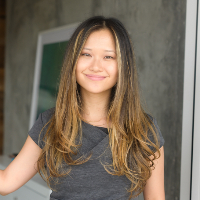
About Angie
Angie Dang is a licensed clinical social worker who offers a warm, direct style of therapy. She focuses on anxiety, depression, relationships, and identity-related concerns including gender and sexual orientation. Angie practises in New York and brings eight years of clinical experience to her work.
Her approach is rooted in listening first. Sessions aim to help people name what they are feeling and spot the patterns that keep them stuck.
Background and approach
Angie uses practical tools alongside reflective conversation so clients can try small changes between sessions. She draws on client-centered work to build a respectful, collaborative space. Cognitive behavioral techniques are used to identify thoughts and behaviors that feed distress.
Mindfulness practices are offered to help with stress, sleep, and grounding in the moment. Angie also brings psychodynamic ideas into therapy to look at how past experiences shape current relationships and reactions. Solution-focused methods are used to set concrete, achievable goals and track progress.
This mix lets her tailor the work to each person’s needs and pace. People come to Angie for help with grief, trauma, addiction concerns, parenting strain, work stress, self-esteem, intimacy issues, and compassion fatigue. She aims to be straightforward, compassionate, and practical while supporting people as they build more enlivened connections with themselves and others.
Approach-focused online therapy that fits your life
Angie combines client-centered work and cognitive behavioral therapy to shape online sessions that are practical and personal. Client-centered therapy puts the person's experience first, creating a respectful, collaborative space for people to talk through their concerns. Cognitive behavioral therapy focuses on identifying unhelpful thoughts and behaviors and trying concrete, testable changes that reduce anxiety, improve mood, and help with sleep.Finding the right approach is part of the work. Angie will discuss different methods and together decide which ones match your needs, goals, and preferences. That collaborative process helps set clear, manageable goals and choose techniques that feel useful in day-to-day life.
Online formats include video calls, phone sessions, live chat, and text-based messaging, which offer flexibility for different schedules and situations. Video is useful for longer sessions and face-to-face interactions, while phone can be easier when bandwidth is limited. Live chat and text messaging work well for short check-ins, step-by-step planning, or between-session support. These options make it easier to fit therapy into work, family, or travel routines while keeping the focus on progress and practical change.
Frequently asked questions
What concerns does this therapist address?
How would you describe the therapy style?
What background and experience does the therapist have?
What are the therapist's credentials and location?
Which languages are supported for sessions?
What session formats are available?
How does payment and cost work?
How do I start a therapy relationship?
Specialties and expertise
Top specialties
- Stress, Anxiety
- Relationship issues
- Depression
Also works with
- Addictions
- Anger management
- Career difficulties
- Compassion fatigue
- Coping with life changes
- Family conflicts
- Grief
- Intimacy-related issues
- LGBT
- Parenting issues
- Self esteem
- Sleeping disorders
- Trauma and abuse
Therapeutic approaches
- Experience
- 8 years
- Licensed
- New York
- Languages
- English