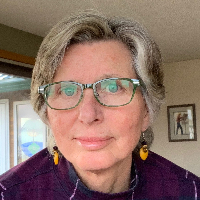
About Angela
Angela Dailey is a licensed clinical social worker with three decades of practice in rural Montana. She draws on long experience to help people manage anxiety, depression, stress, and major life changes. Her style is straightforward and practical, with an emphasis on clear problem-solving and everyday coping skills.
She spent five years as Director of Services for a mental health center before opening a independent practice in 1995. Working in a rural area meant treating a wide range of concerns, and that variety shaped a flexible way of working.
Background and approach
This gives her experience with trauma and abuse, relationship strain, grief, parenting concerns, and mood challenges such as bipolar and ADHD-related difficulties. Angela blends clinical knowledge with teaching experience; she also teaches college-level psychology and sociology. She brings that classroom background into sessions, explaining ideas simply and walking clients through useful tools.
She focuses on improving daily routines, sleep, activity, and social connection as part of healing. Nutrition is a particular interest. She wrote a book called “Cooking to Cure, A nutritional approach to anxiety and depression” that looks at how food and meal preparation affect mood.
She encourages changes in eating and movement to support mental and physical health. Her approach is client-centered and adaptable rather than rigid. She helps people make practical plans, learn coping skills, and work through transitions.
Often that includes sounding out options, trying small changes, and building confidence for the future.
Evidence-informed approaches and online care
Angela blends practical, evidence-based techniques into sessions in plain language. One focus is behavioral strategies that help people change daily routines, build activity, and manage sleep to improve mood and energy. These approaches are useful for depression, anxiety, and coping with life transitions.Another commonly used approach is skills-based work that teaches coping tools for stress, anger, and relationship strain. This includes simple problem-solving steps, communication strategies, and practice exercises to try between sessions. These tools aim to make everyday life more manageable and help clients see small improvements over time.
Finding the right mix of approaches is part of the work together. The therapist will talk with each person about goals, try methods that fit those goals, and adjust the plan based on what helps. That collaborative process helps people build confidence and practical skills.
Online therapy offers several practical benefits. Video calls allow face-to-face conversation when schedules and travel are limited. Phone sessions can be easier when a shorter check-in is needed or bandwidth is low. Live chat and text-based messaging make it possible to get brief support between sessions or to communicate in writing when that feels better. These options add flexibility and make it simpler to fit therapy into a busy life.
Frequently asked questions
What concerns does Angela commonly address?
How would you describe her therapy style?
What kind of experience does she bring?
What are her professional credentials and location?
Which languages are used in sessions?
What session formats are available?
How are fees and billing handled?
How do I begin working with her?
Specialties and expertise
Top specialties
Also works with
- ADHD
- Anger management
- Bipolar disorder
- Career difficulties
- Coping with life changes
- Eating disorders
- Family conflicts
- Grief
- Intimacy-related issues
- Parenting issues
- Relationship issues
- Trauma and abuse
- Experience
- 30 years
- Licensed
- Montana
- Languages
- English