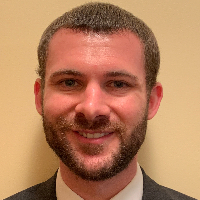
About Andrew
Andrew Miller is a licensed social worker based in Indiana who helps people managing stress, anxiety, grief, depression, trauma, and addiction. He also supports those dealing with relationship strain, parenting stress, sleep problems, anger, self-esteem, ADHD, and issues around guilt, shame, and self-love. Andrew brings a calm, nonjudgmental presence to sessions and focuses on practical steps people can use right away.
He earned a Bachelor’s in Psychological Science from Ball State University and a Master of Social Work from Indiana University of South Bend.
Background and approach
Andrew has five years of clinical experience in Northern Indiana and has held an LCSW since 2019. He also holds an LICSW credential that allows practice in Massachusetts. Andrew uses a mix of approaches to fit each person.
He draws on client-centered listening to understand what matters most. He uses cognitive behavioral ideas to spot unhelpful thinking and try different actions. He also incorporates mindfulness skills to manage strong feelings and grounding practices after trauma.
EMDR is listed among the modalities he uses for working with traumatic memories. Sessions usually focus on clear goals, small experiments to try between meetings, and steady skill building. He aims to make therapy feel practical and relevant to daily life.
Outside of work he enjoys Star Wars, Marvel comics, Disney, literature, and reading about philosophy and spirituality. He encourages people to bring their whole selves to therapy, including the things they love and worry about.
How these approaches translate to online therapy
Client-centered therapy starts by listening closely to what matters to you and shaping sessions around your goals. Online sessions let the therapist focus on your priorities and respond to what you bring each week. Cognitive Behavioral Therapy, or CBT, looks at patterns of thought and behavior and tests small changes to see what helps. In video or text formats the work often includes short between-session exercises to try and report back on what changed. Mindfulness therapy teaches simple skills to notice thoughts and feelings without getting swept away, which can reduce reactivity and improve sleep and stress management.Choosing the right approach is a collaborative process. The therapist will talk with you about your goals and preferences, and together you will decide which methods to emphasize. Adjustments happen over time if something is not fitting, so clients help shape the plan as they learn what works.
Online formats offer practical flexibility. Video calls provide a face-to-face feel for in-depth work. Phone sessions use less bandwidth and can be easier when a quieter space is available. Live chat and text-based messaging are useful for brief check-ins, journaling between sessions, or checking progress after trying a new skill. These options make it easier to fit therapy into busy schedules and to continue work when life is unpredictable.
Frequently asked questions
What concerns does Andrew focus on?
What is his therapeutic style like?
How much clinical experience does he have?
What credentials and location are listed for this therapist?
Which languages and international options are available?
What session formats does he offer?
How are sessions paid for and what do costs look like?
How do I begin working with him?
Specialties and expertise
Top specialties
- Stress, Anxiety
- Family conflicts
- Trauma and abuse
Also works with
- Addictions
- ADHD
- Anger management
- Bipolar disorder
- Compassion fatigue
- Coping with life changes
- Depression
- Grief
- Guilt and shame
- LGBT
- Parenting issues
- Post-traumatic stress
- Relationship issues
- Self esteem
- Self-love
- Sleeping disorders
Therapeutic approaches
- Experience
- 5 years
- Licensed
- Indiana, Massachusetts
- Languages
- English