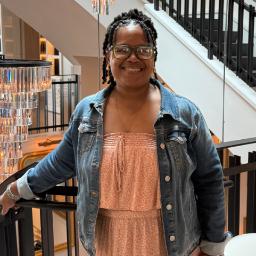
About Amonie
Amonie Greene is a Licensed Clinical Social Worker who helps people facing stress, anxiety, depression, trauma, and major life changes. She also supports professionals and caregivers experiencing compassion fatigue. Her tone is warm and direct, aimed at people who want practical help and steady support.
She spends time listening to each person’s story and asking plain questions about what matters to them. Sessions focus on understanding current struggles and developing small, doable steps to feel better.
Background and approach
The goal is to help people move from surviving to managing and then to thriving. Her approach is collaborative. She works alongside clients to identify strengths and coping strategies that fit their day-to-day lives.
When trauma or past harm comes up, she offers ways to process those experiences while keeping pace with the client. Amonie draws on five years of professional experience and practices in North Carolina as an LCSW - Licensed Clinical Social Worker. She tailors methods to each person instead of using a one-size-fits-all plan.
That means practical tools, clear goals, and steady encouragement. Many people come for short-term help with a crisis or for longer work through deeper issues. Sessions are a mix of talking, problem-solving, and learning new skills.
Amonie’s focus is on real changes that make daily life easier and more fulfilling.
Approaches that guide online sessions
Amonie uses practical, evidence-informed techniques that help people manage symptoms and build coping skills. One common method focuses on changing unhelpful thinking patterns and testing new behaviors to reduce anxiety and low mood; it teaches concrete tools to handle daily stressors. Another approach centers on trauma-aware care, which helps people process past harmful experiences at a pace that feels manageable and keeps current functioning in mind.Choosing the right approach is collaborative. The therapist and client talk about goals, preferences, and what feels most useful. Together they try methods, adjust as needed, and set short-term steps to track progress. This way the work stays practical and grounded in what the person actually needs.
Online sessions offer flexibility for busy schedules and different comfort levels. Video calls let people use face-to-face interaction when helpful. Phone sessions work well when bandwidth is limited or a quicker check-in is needed. Live chat and text messaging suit brief updates, real-time problem-solving, or times when typing is easier than talking. These options make it simpler to fit therapy into work, caregiving, or daily routines while keeping focus on steady progress.
Frequently asked questions
What concerns does she help address?
How would you describe her therapeutic style?
What is her professional background?
What credentials and location information are provided?
Which languages are supported for sessions?
In what formats are sessions available?
How are fees and payments handled?
What are the first steps to begin therapy?
Specialties and expertise
Top specialties
Also works with
- Experience
- 5 years
- Licensed
- North Carolina
- Languages
- English