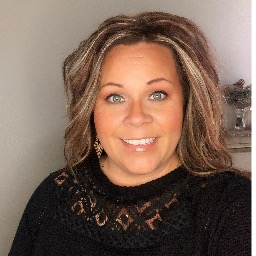
About Amanda
Amanda Leftridge is a Licensed Clinical Social Worker who helps people manage stress, anxiety, grief, depression, and life transitions. She supports those facing relationship or intimacy concerns, trauma and abuse, sleep problems, anger, and self-esteem challenges. Amanda also assists people navigating ADHD, bipolar symptoms, career strain, compassion fatigue, and LGBT issues.
Amanda draws on several practical approaches to tailor sessions to each person. She uses cognitive-behavioral techniques to break down unhelpful thought patterns.
Background and approach
She brings mindfulness practices to help calm the body and focus attention. She also uses solution-focused and psychodynamic ideas to find concrete steps forward while understanding deeper patterns. Her background includes work in medical settings, particularly with people facing cancer, chronic illness, and end-of-life concerns.
Amanda has experience with caregiver stress, hospice and bereavement, HIV and AIDS, and challenges that come with aging or chronic pain. That medical experience shapes how she addresses practical and emotional needs together. Sessions are collaborative and goal-oriented.
Amanda combines listening with straightforward strategies you can try between meetings. She emphasizes respect, dignity, and sensitivity and avoids stigmatizing labels. Based in Missouri, Amanda has three years of clinical experience and holds a Missouri LCSW license (MO LCSW 2021007486).
She offers therapy in English and accepts international clients when appropriate. To begin, clients follow the site’s matching and scheduling process.
Therapeutic approaches and how they work online
Amanda uses cognitive-behavioral therapy to help people notice and change unhelpful thoughts and behaviors. CBT often focuses on specific problems and practical exercises that people can try between sessions to reduce anxiety and lift mood. Mindfulness therapy is another part of her work and emphasizes simple attention and breathing practices to reduce stress and improve focus. These techniques can help with worry, sleep problems, and emotional reactivity.Choosing the right approach is part of the work together. Amanda will collaborate with each person to decide which methods fit their goals, needs, and preferences. She adapts strategies as progress is made, combining practical tools and deeper discussion when useful.
Online therapy offers flexible ways to meet. Video calls allow face-to-face connection for deeper conversations. Phone sessions can be easier when bandwidth or camera use is a concern. Live chat and text-based messaging suit shorter check-ins, ongoing coaching, or times when typing feels more comfortable. These options make it simpler to fit sessions around work, caregiving, medical appointments, or other commitments.
Frequently asked questions
What concerns does Amanda commonly address?
How would you describe her therapy style?
What relevant clinical background does she have?
What are her credentials and where is she located?
Can I work with her if I live outside the United States?
What session formats are available?
How does payment and cost work?
How do I get started with therapy?
Specialties and expertise
Top specialties
Also works with
- ADHD
- Aging and geriatric issues
- Anger management
- Bipolar disorder
- Cancer
- Career difficulties
- Caregiver issues and stress
- Chronic pain, illness, and disability
- Co-morbidity
- Coaching
- Compassion fatigue
- Coping with life changes
- Depression
- First responder issues
- HIV / AIDS
- Hospice and end-of-life counseling
- Intimacy-related issues
- LGBT
- Relationship issues
- Sleeping disorders
- Trauma and abuse
- Women's issues
Therapeutic approaches
- Experience
- 3 years
- Licensed
- Missouri
- Languages
- English