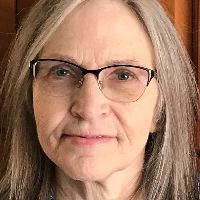
About Carol
Carol Mayfield is a licensed clinical social worker practicing in North Carolina. She brings 36 years of experience to work supporting people who feel overwhelmed by stress, anxiety, depression, addiction, grief, or life changes. Carol creates a respectful, welcoming space for people of all orientations and beliefs.
Her approach is practical and person-focused. She helps people notice what matters most, learn short-term coping skills, and make choices that match their values.
Background and approach
Sessions often include simple exercises, mindful awareness, and goal-focused conversations rather than long lectures. Carol blends methods from Acceptance and Commitment Therapy, Cognitive Behavioral Therapy, and client-centered work to fit each person. That combination helps with mood shifts, problems with self-esteem, and managing cravings or compulsive behaviors.
She also uses techniques from Dialectical Behavior Therapy and mindfulness to build emotional regulation when needed. Many people come seeking help with relationships, career stress, or compassionate fatigue from caregiving or professional roles. Carol supports those navigating grief and major life transitions, helping them find steady routines and clearer next steps.
She also offers coaching-style conversations for people who want practical planning alongside emotional support. Sessions are offered through video, phone, chat, and messaging to fit different needs. Carol works collaboratively to set goals and adjust the plan as progress is made.
She holds a North Carolina LCSW and draws on decades of practice to guide each person at their own pace.
How therapy approaches work online
Acceptance and Commitment Therapy, or ACT, focuses on helping people clarify what matters to them and take small, committed steps toward those values. It uses mindfulness and action planning to reduce avoidance and build a meaningful routine. Cognitive Behavioral Therapy, or CBT, helps people notice unhelpful thoughts and change them with practical experiments and behavior changes to reduce anxiety and low mood. Client-Centered Therapy emphasizes a respectful, nonjudgmental space where the therapist listens deeply and follows the person’s lead to support self-directed growth.Finding the right approach is part of the work. The therapist will talk with each person about their goals, preferences, and what feels most useful. Together they try methods, adjust based on what helps, and keep the focus on practical progress rather than labels.
Online formats - video calls, phone sessions, live chat, and text-based messaging - make it easier to fit therapy into a busy life. Video lets people use visual cues for deeper conversations, phone can be simpler when bandwidth is limited, live chat offers a quick check-in, and messaging supports ongoing reflection between sessions. These options allow people to choose what fits their schedule and comfort while still working with an experienced clinician.
Frequently asked questions
What concerns does Carol often help with?
What is her therapeutic style like?
How much experience does she have?
What are her credentials and where is she based?
Which languages are supported for sessions?
What session formats are available?
How does payment and cost work?
How do I begin working with Carol?
Specialties and expertise
Top specialties
Also works with
- Career difficulties
- Coaching
- Compassion fatigue
- Coping with life changes
- Depression
- Grief
- LGBT
- Relationship issues
Therapeutic approaches
- Experience
- 36 years
- Licensed
- North Carolina
- Languages
- English